



The Critical Importance of Material Selection in Modern Structural Engineering
In today’s industrial and infrastructure-driven economy, steel remains the backbone of large-scale construction and manufacturing projects. Selecting the correct structural steel plate grade is not simply a purchasing decision — it is a fundamental engineering choice that directly affects safety, durability, lifecycle cost, and long-term performance.
For design engineers, EPC contractors, and B2B procurement departments working with an experienced steel plate supplier or hot rolled steel plate manufacturer, understanding the real technical differences between grades such as ST37 and ST52 — and their European equivalents S235 and S355 — is essential for preventing structural failures, excessive fabrication costs, and inspection rejections.
As a professional steel plate supplier Iran market increasingly serves international projects, accurate material selection also plays a key role for every steel plate exporter and Iranian steel manufacturer operating in global supply chains.
Mechanical Behavior of Structural Steel Plates in Heavy Applications
Structural steels exhibit different performance under static loads, cyclic loading, and harsh environmental conditions due to their chemical composition and metallurgical structure.
In heavy projects such as:
-
bridges,
-
industrial machinery frames,
-
pressure vessels, and
-
high-rise steel structures,
hot rolled plates in thickness ranges of 20 to 40 mm play a decisive structural role.
An inadequate understanding of plate metallurgy may lead to:
-
brittle fracture,
-
hydrogen-induced cracking in welded joints, and
-
fatigue-related failures.
For this reason, compliance with internationally recognized standards such as DIN 17100 and EN 10025-2 is mandatory when sourcing Steel metal sheets for safety-critical applications.
Evolution of Structural Steel Standards: From DIN to EN
The classification of structural steels originally developed through national standards. In Iran, the German DIN 17100 standard became widely adopted due to historical industrial cooperation.
In the DIN system:
-
“St” stands for Stahl (steel), and
-
the numerical value (such as 37 or 52) represents minimum tensile strength.
With the unification of European technical regulations, EN 10025 replaced national standards.
In EN classification:
-
“S” stands for Structural, and
-
the number (such as 235 or 355) indicates minimum yield strength in MPa for thicknesses up to 16 mm.
This transition reflects the modern engineering emphasis on yield behavior rather than ultimate tensile strength.
Although the EN system is mandatory for international projects, traditional designations such as ST37 and ST52 are still widely used by domestic steel plate supplier Iran networks.
DIN and EN Equivalency Overview
| Item | DIN 17100 (Legacy) | EN 10025-2 (Modern) |
|---|---|---|
| Classification basis | Minimum tensile strength | Minimum yield strength |
| Main symbol | St | S |
| Mild steel grade | St 37-2 | S235JR |
| High-strength grade | St 52-3 | S355J2 |
| Engineering focus | General mechanical properties | Balance of strength, toughness and weldability |
Technical Review of ST37 (S235) Structural Steel Plate
ST37 — commonly known as mild structural steel — is the most widely used grade for general fabrication and light-to-medium structural applications. It belongs to the low-carbon steel family, typically containing less than 0.17 % carbon.
This low carbon content provides:
-
excellent weldability,
-
high ductility, and
-
superior formability,
while offering moderate mechanical strength.
For many projects, a certified hot rolled steel plate supplier Iran remains the primary source of ST37 Steel metal sheets for fabrication workshops and structural contractors.
Mechanical Properties and Stress–Strain Behavior
For structures subjected mainly to static loading, ST37 remains an economical and reliable solution.
However, an important engineering consideration is the reduction of yield strength as plate thickness increases.
| Nominal Thickness | Minimum Yield Strength (MPa) | Tensile Strength (MPa) | Minimum Elongation (%) |
|---|---|---|---|
| t ≤ 16 mm | 235 | 360 – 510 | 26 |
| 16 < t ≤ 40 mm | 225 | 360 – 510 | 24 |
| 40 < t ≤ 63 mm | 215 | 340 – 470 | 23 |
The high elongation capacity (approximately 24–26 %) allows the structure to absorb significant deformation before failure — a key safety feature for seismic regions.
Metallurgy and Chemical Composition of ST37-2
The microstructure is mainly ferrite with small pearlite islands. The absence of expensive alloying elements makes ST37 the baseline reference for evaluating hot rolled steel plate price in regional markets.
| Element | Maximum (%) | Function |
|---|---|---|
| Carbon (C) | 0.17 – 0.20 | Primary strengthening element |
| Manganese (Mn) | 1.40 | Toughness improvement, deoxidation |
| Phosphorus (P) | 0.045 | Impurity – low-temperature brittleness |
| Sulfur (S) | 0.045 | Impurity – hot cracking |
| Nitrogen (N) | 0.012 | Strength increase, toughness reduction |
Engineering Analysis of ST52 (S355) High-Strength Steel Plate
ST52 (S355) belongs to the HSLA (High-Strength Low-Alloy) steel family. It is specifically developed for applications requiring higher load capacity while reducing structural weight.
Controlled additions of manganese (up to 1.6 %) and silicon (up to 0.55 %) refine the grain structure and increase yield strength by approximately 50 % compared to ST37.
For international procurement, professional buyers usually source this grade from a certified hot rolled steel plate manufacturer and qualified steel plate exporter.
Strategic Advantages of S355 in Heavy Projects
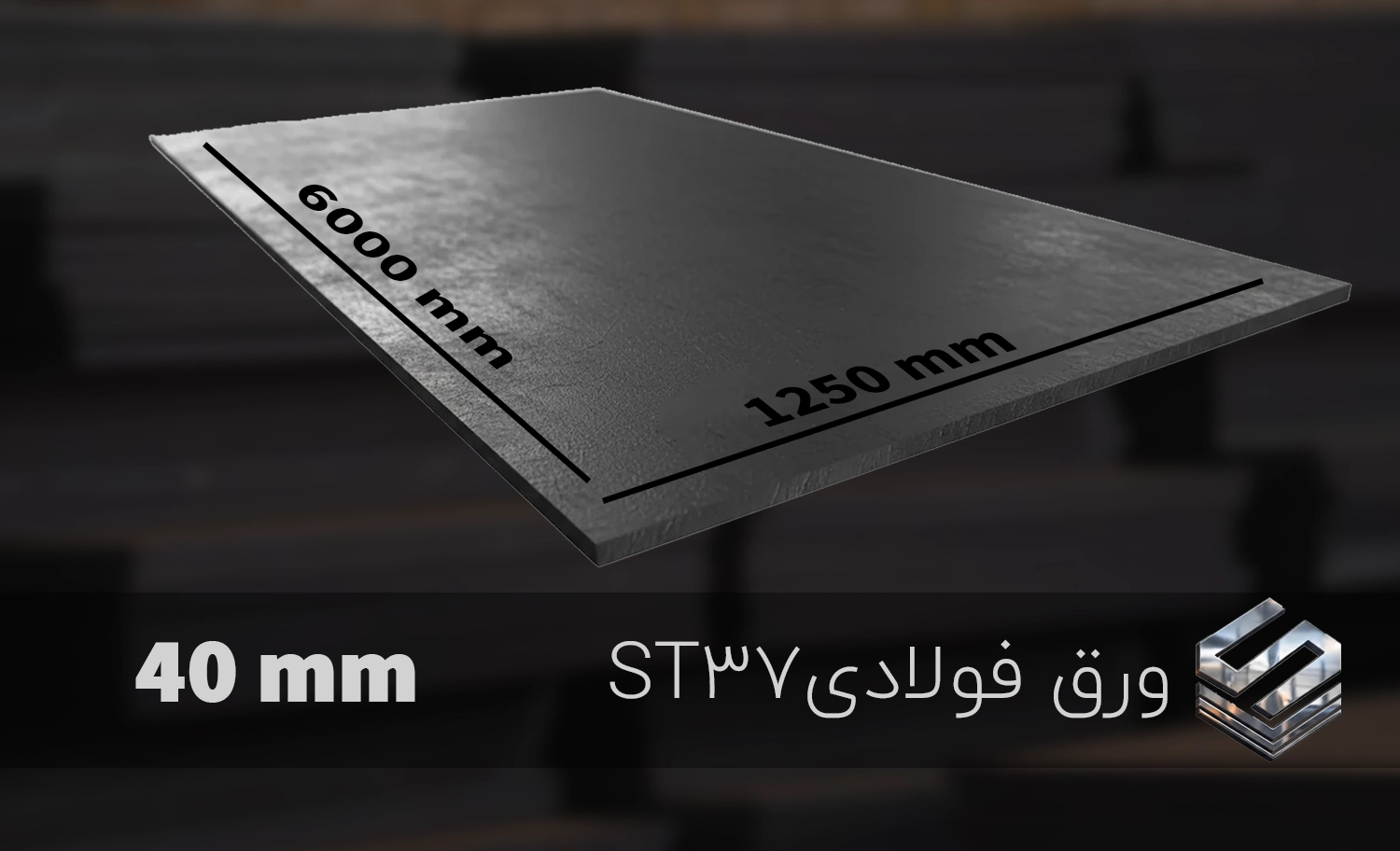
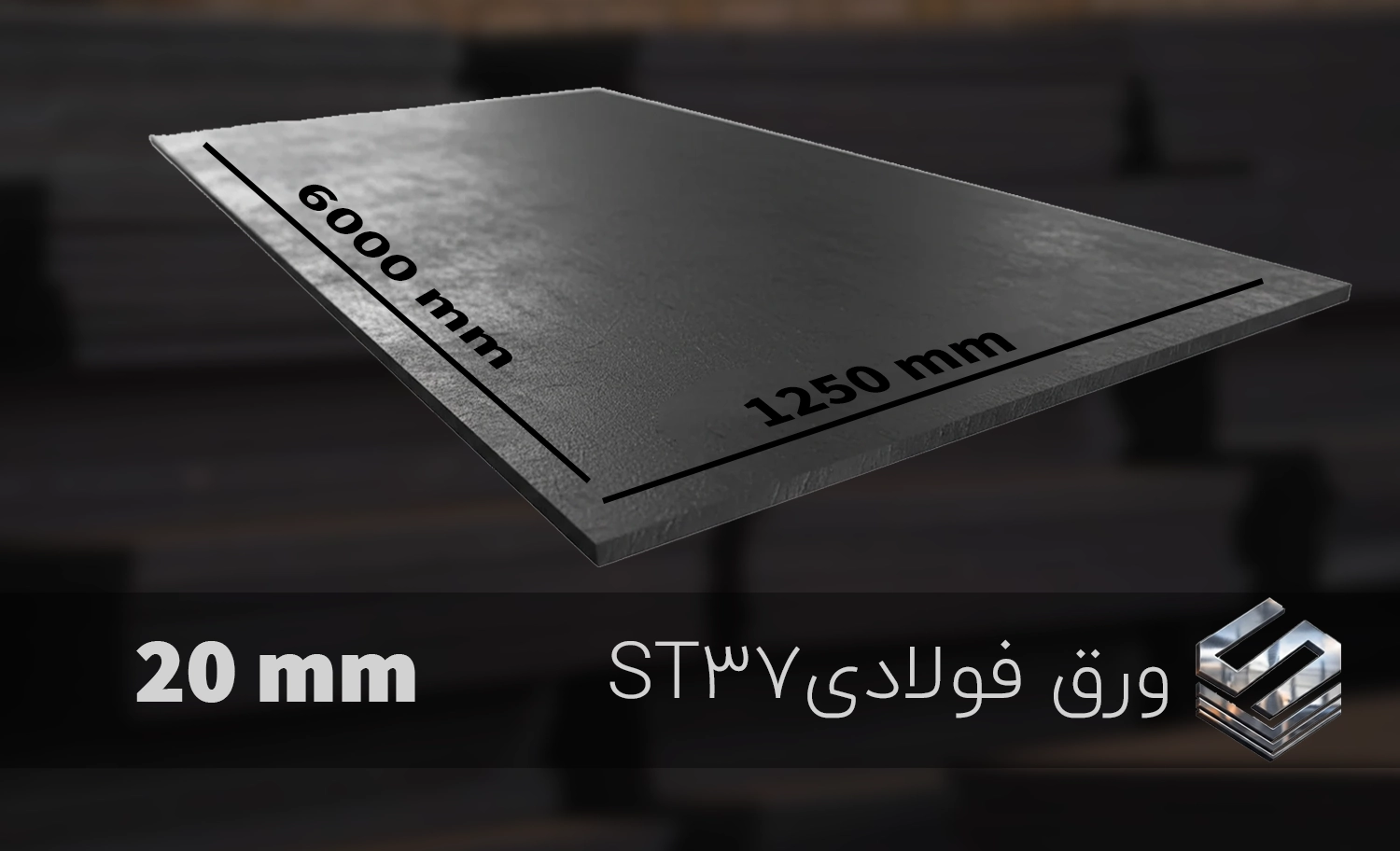
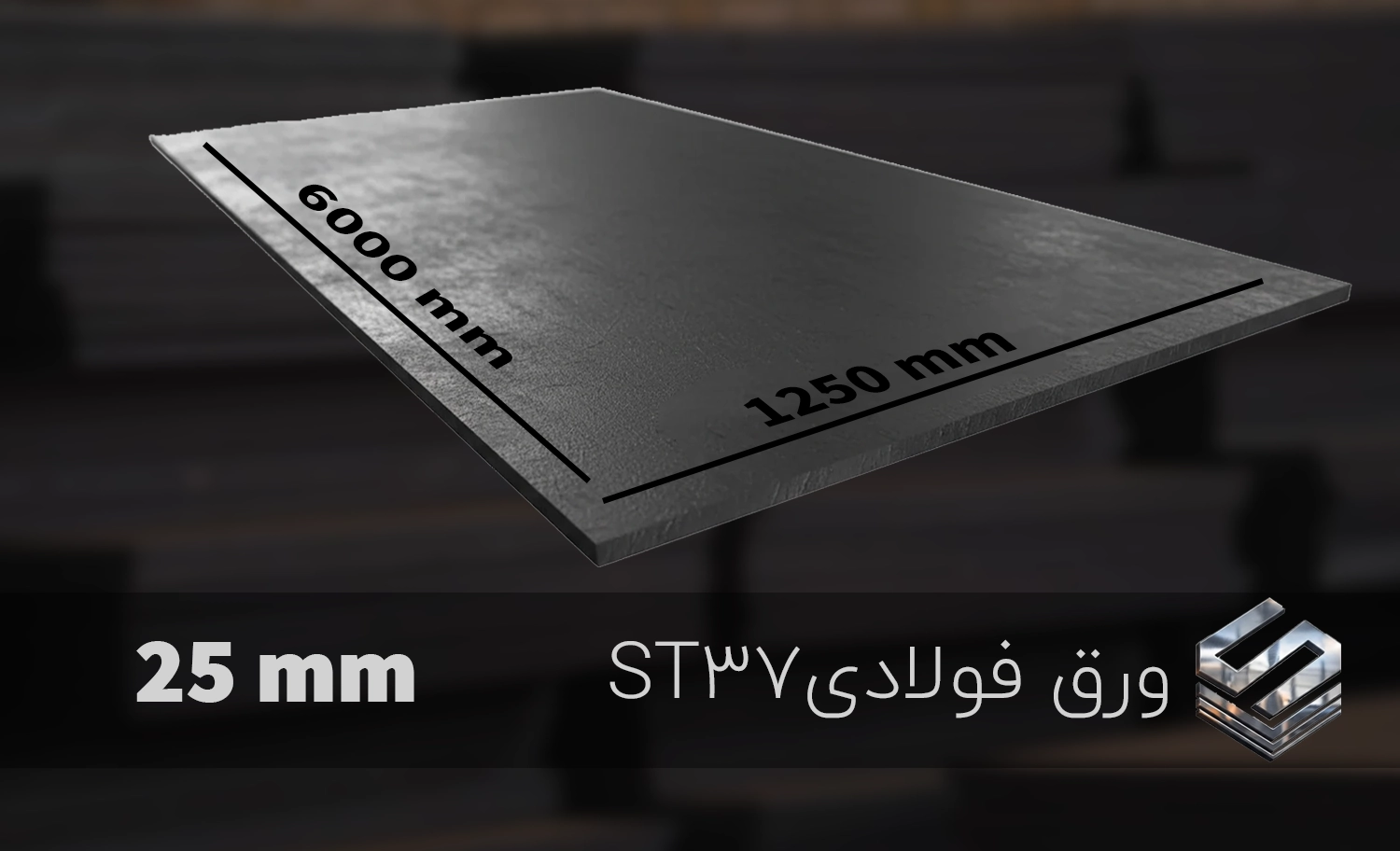
The use of S355 in 20, 25, 30 and 40 mm thicknesses allows designers to reduce section size without sacrificing structural capacity.
This advantage is essential in:
-
long-span bridges,
-
heavy crane booms, and
-
trailer and transport chassis.
Mechanical Properties of ST52-3 (S355)
| Nominal Thickness | Minimum Yield Strength (MPa) | Tensile Strength (MPa) | Brinell Hardness (HBW) |
|---|---|---|---|
| t ≤ 16 mm | 355 | 490 – 630 | 160 – 190 |
| 16 < t ≤ 40 mm | 345 | 490 – 630 | 155 – 185 |
| 40 < t ≤ 63 mm | 335 | 470 – 610 | 150 – 180 |
S355J2 guarantees an impact energy of 27 J at −20 °C, making it suitable for cold regions and offshore or marine-related structures.
Role of Silicon and Manganese in ST52 Metallurgy
Silicon acts primarily as a deoxidizer and contributes to solid-solution strengthening of ferrite. Manganese reduces sulfur-related defects and lowers the critical cooling rate during rolling, promoting a fine-grained and uniform microstructure throughout the plate thickness.
Practical Engineering Comparison: ST37 vs ST52
| Parameter | ST37 (S235) | ST52 (S355) |
|---|---|---|
| Weldability | Excellent | Good – thermal control required |
| Cold forming | Very high | Limited for sharp bends |
| Machinability | Excellent | Good – higher tool wear |
| Wear resistance | Low | Moderate |
| Structural weight | Higher | Lower (up to 30 % reduction) |
Although the unit hot rolled steel plate price of ST52 is higher, total project cost may decrease by up to 15 % due to reduced weight, fabrication volume, and welding time.
Engineering Challenges in 20–40 mm Thick Plates
With increasing thickness, steel behavior transitions toward plane-strain conditions, increasing susceptibility to brittle fracture.
For 30–40 mm plates, lamellar tearing becomes a serious risk in T-joints and corner welds. Plates with improved Z-direction properties according to EN 10164 are strongly recommended.
Furthermore, internal defects such as shrinkage cavities and elongated non-metallic inclusions are more likely in thick plates. For critical structures, ultrasonic testing according to EN 10160 is essential.
Welding Guidelines for Thick Structural Steel Plates
Welding 20–40 mm S355 plates is a highly specialized fabrication activity. Rapid heat dissipation promotes martensite formation in the heat-affected zone and increases the risk of hydrogen cracking.
Preheating Requirements
For 30 mm S355 plates with carbon equivalent (CEV) values exceeding 0.45, preheating temperatures between 100 °C and 150 °C are required and must be maintained at least 75 mm from the weld line.
Electrode and Process Selection
-
ST37: E6013 for general work; E7018 preferred for thick sections.
-
ST52: Mandatory use of low-hydrogen electrodes such as E7018 or E8018. Electrodes must be baked at 300–350 °C for at least two hours before use.
Interpass temperature must not exceed approximately 250 °C for S355 to avoid grain coarsening and impact toughness loss.
Strategic Procurement Guide for Industrial Buyers
Professional sourcing of structural plates extends far beyond price negotiation with a steel plate supplier.
Key inspection points include:
-
Mill Test Certificates (MTC) with matching heat numbers,
-
dimensional tolerances according to EN 10029, and
-
surface condition free from deep pitting or rolling cracks.
Storage and Handling of Heavy Steel Plates
Structural plates are highly vulnerable to moisture and corrosive environments. Plates must be stored in covered, ventilated warehouses and supported at least 20 cm above ground. Plastic wrapping is discouraged because it traps moisture and accelerates surface corrosion.
Common Engineering Mistakes in Iranian Structural Projects
-
Substituting ST37 with ST52 without structural recalculation.
-
Ignoring quality sub-grades (J2, K2, etc.).
-
Welding thick plates at ambient temperatures below 5 °C, which promotes immediate cold cracking.
Specialized Supply Capabilities of
Parvan Toos Steel Complex
Parvan Toos Steel Complex is recognized as one of the major regional suppliers of heavy structural steel plates in northeastern Iran. The company focuses on engineering-grade products fully compliant with international technical standards to support infrastructure and heavy industrial projects.
Dedicated Supply Capabilities
-
Engineering thickness range: 10 to 40 mm heavy plates.
-
Optimized plate dimensions: 1250 × 6000 mm for reduced cutting waste and efficient fabrication of plate girders and box columns.
-
Grade portfolio: ST37-2 (S235JR) for general construction and ST52-3 (S355J2) for high-strength industrial structures.
-
Logistics and documentation: nationwide delivery with official invoices and complete manufacturer certificates.
With a deep understanding of B2B engineering requirements, the company provides technical consultation for grade selection and compliance verification — an essential service for international buyers, project owners, and steel plate exporter networks working with an established Iranian steel manufacturer.
Technical Conclusion
Selecting structural steel plates is far more complex than choosing between ST37 and ST52.
Modern projects demand a precise balance between:
-
yield strength,
-
weldability,
-
impact toughness at service temperature, and
-
metallurgical behavior in heavy thickness ranges.
ST37 remains the benchmark solution for light and conventional structures. ST52 (S355), however, enables weight reduction, improved load capacity, and enhanced safety for demanding industrial applications.
Long-term project success depends on cooperation with qualified partners such as an experienced hot rolled steel plate supplier Iran, a reliable steel plate supplier Iran, and internationally recognized production sources capable of delivering certified Steel metal sheets that fully meet DIN and EN requirements.