


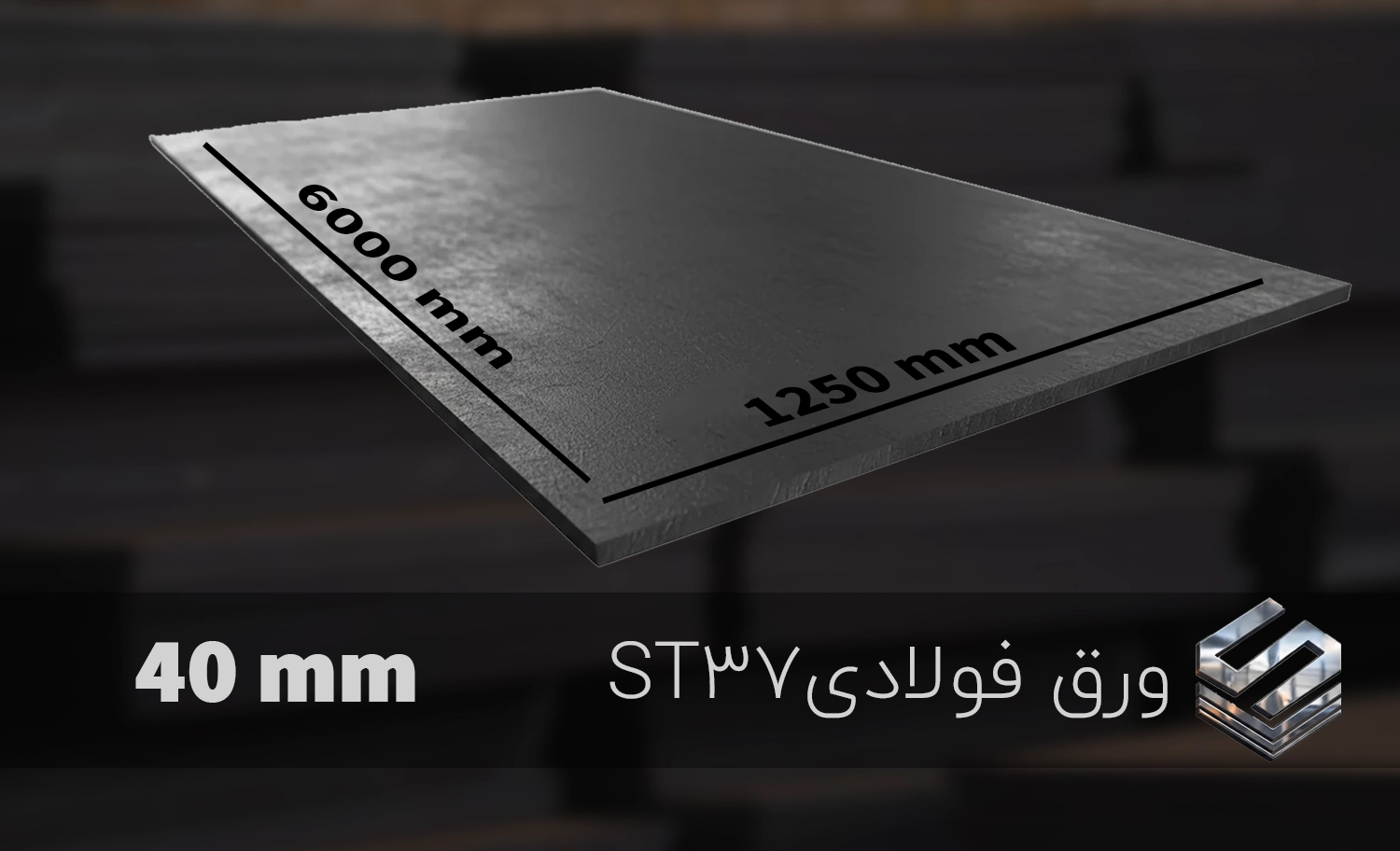
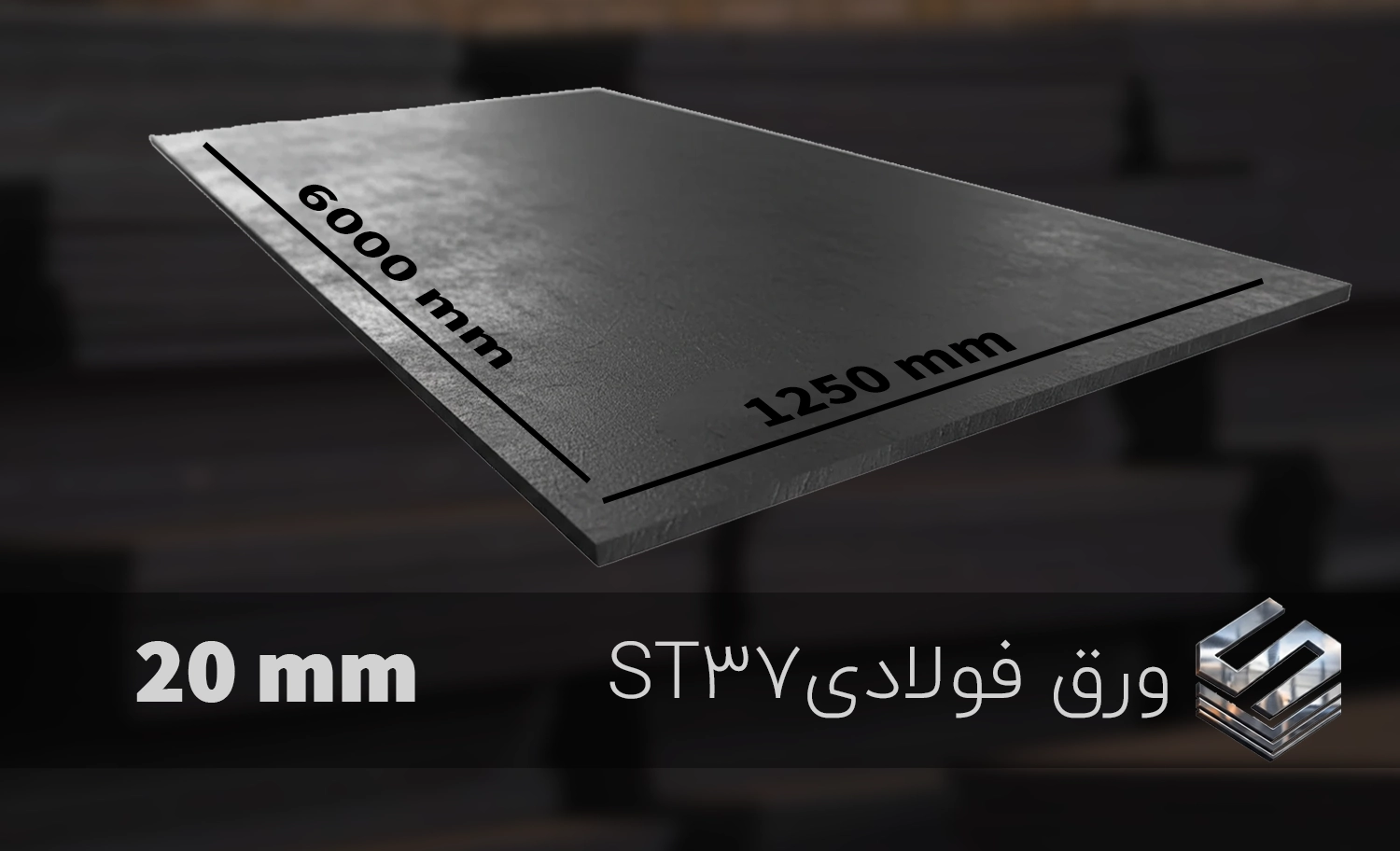
Steel plates, or specifically hot rolled steel plate products, are among the most utilized outputs in the Iranian steel industry, typically supplied in large coils as shown above. Industry experts agree that steel production and consumption are key indicators of a nation’s development, given the significant impact of the steel sector on economic growth, job creation, and infrastructure development. In Iran, the development of the steel supply chain has been a focus for successive governments. Ensuring a consistent supply of raw materials (iron ore, concentrate, and slab) to hot rolled steel plate manufacturer facilities guarantees full utilization of steel plate production capacity. Considering the importance of this supply chain, the presence of reputable domestic slab suppliers like Hormozgan Steel plays a crucial role in guaranteeing the quality and stability of black steel plate production.
Introduction to Iran’s Steel Industry and the Importance of the Supply Chain in Steel Plate Production
The steel industry is a fundamental and foundational sector in Iran. The growth in steel output and the expansion of rolling mills have paved the way for downstream industries such as automotive manufacturing, construction, and home appliances. Iran, with its rich iron ore mines and necessary infrastructure (railways, ports, power and gas grids), is capable of meeting the majority of domestic steel demand and even engaging in exports. The 2025 Vision Plan also targets increasing the country’s crude steel production from the current 30 million tons to over 55 million tons annually. The steel production chain, spanning from iron ore mines to melting and rolling mills, is interconnected; every segment (mining, steelmakers, rollers) contributes to the final supply of steel plate.
Within this chain, the timely and quality-assured supply of raw materials to rolling mills is paramount. For instance, reports indicate that parts of Iran’s steel production capacity remain idle due to raw material shortages (only about 70% of steel capacity is active). Therefore, having reliable domestic slab suppliers is vital for increasing the productivity of rolling lines and preventing production shutdowns. In this context, major steel companies like Hormozgan Steel play a decisive role in the stable supply of black steel plate and ST37 plate.
Introduction to Hormozgan Steel Company and Its Position in the National Steel Industry
Hormozgan South Steel Company, located in Hormozgan Province (on the northern shore of the Strait of Hormuz) near Shahid Rajaei Port, is one of the most advanced steel slab production units in Iran. This facility occupies approximately 95 hectares within the Persian Gulf Special Economic Zone for Mineral and Metal Industries. Its geographical advantages include proximity to vast gas reserves (South Pars region), Gol-e-Gohar iron ore mines, major ports, and transport routes. The operation of Hormozgan Steel has established Hormozgan Province as the third steel hub of the country.
Hormozgan Steel’s Production Capacity and Products
Hormozgan Steel has a nominal capacity of about 1.5 million tons of carbon steel slab annually. The dimensions of the slabs produced are 200mm and 250mm in thickness, 900mm to 2000mm in width, and 6m to 12m in length. In addition to slabs, the complex produces intermediate products such as sponge iron (about 1.65 million tons) and various industrial gases (oxygen, nitrogen, and argon). Hormozgan Steel utilizes the latest steel industry technologies (new operational beds, pollution control, and water treatment systems) and supplies products compliant with international and national standards.
The primary products of this mill are carbon steels, often used for manufacturing hot and cold-rolled plates. Experts note that the company primarily produces ST37 and ST52 carbon steels across a wide thickness range (tens of millimeters). For example, ST37 black plate (hot rolled steel plate) is produced by major Iranian steel manufacturers in thicknesses up to 100mm. By supporting domestic industries and exporting its products, Hormozgan Steel is strengthening its position as a pivotal steel plate supplier Iran for the nation’s steel industry raw material needs.
Hormozgan Steel’s Role as a Slab Supplier to Parvan Steel Complex
Parvan Steel Complex (located in Mahvelat County, Razavi Khorasan Province) is slated to produce up to 150,000 tons of carbon steel plate annually (10mm to 50mm thick) in its first phase. Upon completion, this new complex will enhance the national share of steel plate production and create specialized employment opportunities in the region. Launching a hot rolling line for such a unit requires a consistent, high-quality slab supply. Given Hormozgan Steel’s slab production volume (approx. 1.5 million tons/year) and slab dimension variety, this company is considered one of the main sources of slab supply for the Parvan Steel Complex. Industry stakeholders state that by relying on up-to-date technology and extensive experience in quality slab production, Hormozgan currently exports its products to Southeast Asian countries (Taiwan, Thailand, India) and even Europe and South America, underscoring the high quality of its slabs. In essence, Hormozgan’s capability to mass-produce slabs with extensive dimensions enables rolling complexes like Parvan, which require ST37 black plate, to receive their required slab with quality assurance.
Technical and Quality Requirements
Supplying quality slab means uniformity in thickness, minimal impurities, and compliance with standard chemical composition. For hot plate applications, Hormozgan Steel primarily uses plain carbon steels, ensuring dimensional uniformity in the slab through precise control of the melting and casting process. Any error in thickness or the presence of cracks or voids in the slab can compromise the mechanical properties of the plate during hot rolling. Thus, selecting a reliable steel plate supplier for plate manufacturing complexes is critical. Market experience shows that if the final plate is to meet the ST37 standard, its raw material must be sourced strictly according to valid certificates and industrial standards (such as Iranian National Standard and ASTM).
Impact of Hormozgan Steel Raw Material Quality on Parvan Steel’s Black Plate and ST37 Production
The quality of the input slab directly affects the quality of the final hot-rolled plate. Black plate (steel metal sheets) is derived from slabs, and its mechanical properties—such as tensile strength, elongation, and thickness uniformity—depend on the initial slab quality. Industrial studies demonstrate that the stability of the rolling process (rolling consistency) is key to ensuring black plate quality. In fact, “rolling consistency,” stemming from the proper behavior of input materials (high-quality slab), leads to increased productivity and higher quality output. If the slab has irregular thickness, stress distribution during hot rolling will not be uniform, causing fluctuations in the final plate thickness. An industry source noted that “steel plate or steel metal sheets with non-uniform thickness create localized stress, impacting structural safety.” Therefore, by utilizing the uniform and controlled slabs produced by Hormozgan, the Parvan Steel Company can maintain the thickness and weight standards of its plates.
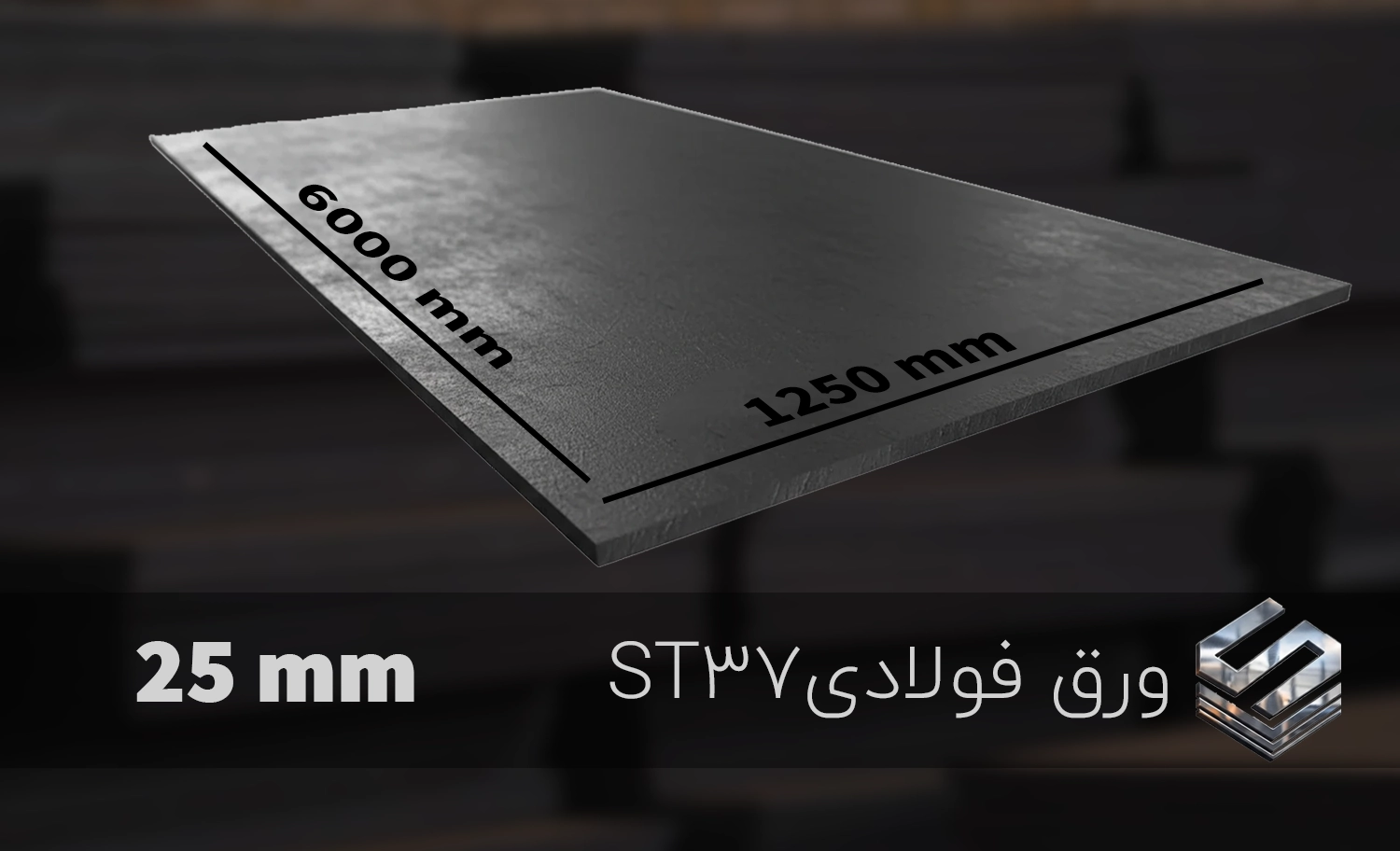
This is particularly important for ST37 black plate at 20mm thickness, requiring the input slab to have appropriate chemical quality and geometric consistency. ST37, a common grade for structural and industrial applications, requires a chemical composition compliant with standards and dimensional uniformity to possess the necessary bending and tensile resistance. Hormozgan Steel guarantees the chemical quality of its slabs by adhering to production standards and providing analysis documents (MTC). Furthermore, the surface quality of the slab is important for the final plate; by controlling contamination and oxide scales, Hormozgan enables the production of black plate with a relatively uniform and defect-free surface. Consequently, Parvan Steel’s production of ST37 black plate using Hormozgan raw materials will be in an optimal condition regarding thickness uniformity and alloy composition.
Relationship Between Stable Raw Material Supply and Steel Rolling Mill Production Capacity
In the hot rolling sector of steel plates, stability in the supply of raw materials and slabs is the primary factor for maintaining production rates and operational capacity of the lines. As noted, untimely slab delivery prevents full utilization of production capacity. For example, currently, about 30% of Iran’s nominal plate production capacity is inactive due to material shortages. When raw materials are supplied stably and continuously, rolling mills can keep their lines active without interruption, directly impacting annual output capacity.
The experience of major steelmakers shows that prioritizing domestic needs prevents shutdowns in downstream facilities. For instance, Mobarakeh Steel Company allocates surplus production for export only after satisfying the needs of domestic downstream industries; this model illustrates the importance of “stable raw material supply” in maintaining production stability. Therefore, the presence of a high-capacity hot rolled steel plate supplier like Hormozgan, as a consistent source of raw material, helps boost the efficiency and production capacity of the Parvan Steel Complex. Thus, the stable supply chain between Hormozgan and Parvan plays an effective role in ensuring continuous production and sustaining the development of steel mill infrastructures.
The Role of the Steel Plate Supplier in Guaranteeing the Quality of Industrial and Construction Projects
The quality of steel plate used in industrial and construction projects is directly related to the safety and service life of structures. As steel industry experts emphasize, “structural safety is directly dependent on steel quality.” Using substandard steel plate can lead to reduced mechanical resistance, undesirable deformation, and even sudden failures. For instance, in the construction of bridges, pressure vessels, and high-rise buildings, black plate with precise mechanical and dimensional characteristics is required. Reputable steel plate suppliers are thus obligated to provide products compliant with relevant standards to assure major industrial consumers and sensitive projects.
Specifically, the technical features of black plate used in projects include precise dimensions, thickness uniformity, and controlled weight. Thickness with precise tolerance facilitates structure assembly and reduces extraneous stress. By adhering to production standards and providing analysis certificates, Hormozgan Steel guarantees that the plates supplied to the Parvan Steel Complex have uniform thickness and suitable surface quality. In other words, a reliable steel plate supplier Iran like Hormozgan not only ensures supply continuity but also enhances the final quality of industrial and construction projects through product quality control.
Conclusion Focusing on Parvan Steel’s Competitive Advantage
Overall, the introduction of Hormozgan Steel reveals that this company, with its high capacity and advanced technology in steel slab production, plays a key role in the supply chain of the Parvan Steel Complex. The superior quality of Hormozgan slabs, coupled with thickness uniformity and precise weight control, guarantees the quality of black plate and ST37 produced at Parvan. Moreover, the stable raw material supply from Hormozgan enables Parvan to utilize its full production capacity, reducing the likelihood of line stoppages. This industrial collaboration strengthens the brand of Parvan Steel as a professional and reliable producer in the steel rolling sector, as its final products, utilizing high-quality input materials, will meet high technical standards. Ultimately, adherence to standards, quality retention, and continuity of raw material supply are primary factors in Parvan Steel Complex’s competitive edge in the Iranian steel market.
Frequently Asked Questions (FAQ)
What is Hormozgan Steel and what products does it manufacture?
Hormozgan South Steel Company is an advanced steel production facility in Hormozgan Province. This plant is capable of producing approximately 1.5 million tons of carbon steel slab annually in thicknesses of 200mm and 250mm and large dimensions (up to 2000mm width, 12000mm length). Its main products are carbon steels used for manufacturing hot and cold-rolled plates, as well as ST37 plate in various thicknesses.
Is Hormozgan Steel a supplier to Parvan Steel Complex?
Yes. Given Hormozgan Steel’s very high slab production capacity and the compatibility of its production process with the requirements of the Parvan Steel Complex, it is considered a major steel plate supplier Iran and raw material provider for the complex’s black plate production. The superior quality of Hormozgan slabs enables the uniform production of ST37 black plate at the Parvan Complex.
What is ST37 black plate and which industries use it?
ST37 black plate is a type of hot-rolled plain carbon steel. The ST37 standard is common for steel plates and, due to its suitable strength and good weldability, is widely used in industrial and construction projects. These plates are typically employed in manufacturing steel structures, tanks, vessels, home appliances, and industrial components.
Why are thickness and weight control of black plate important?
Uniform plate thickness ensures the consistency of mechanical properties across the entire plate. Furthermore, the weight of black plate is calculated by the formula: Length × Width × Thickness × Density. If the thickness is not controlled, the actual weight of the plate will deviate from the calculations based on weight charts, which can cause issues in tenders and project calculations. Additionally, non-uniform thickness creates localized stresses in the structure, jeopardizing safety.
What is the relationship between stable raw material supply and the production capacity of steel mills?
A continuous and stable supply of raw materials (such as slab and billet) guarantees uninterrupted operation of production lines. When the raw material supply is cut off, rolling lines are forced to stop and fail to utilize their nominal capacity. Moreover, mills like Mobarakeh Steel do not offer their excess production for public trading until the needs of domestic industries are met; this means that without sufficient resources, downstream lines halt. Therefore, having a variety of reliable steel plate suppliers like Hormozgan increases capacity utilization and reduces the risk of production stoppages.