



Iran’s steel industry has experienced significant growth in recent years, with the country’s crude steel production reaching more than 30.6 million tons in 2022. Major domestic companies such as Mobarakeh Steel Company account for a substantial share of this production, contributing approximately 34% of the national output.
In the production of steel plates—especially hot rolled steel plates (black steel sheets)—a strong supply chain that includes iron ore mines, steelmaking units, and reliable slab suppliers is essential. In hot rolling mills, steel slabs are repeatedly rolled at high temperatures to reduce their thickness and convert them into steel metal sheets.
Therefore, stable access to iron ore, concentrate, and particularly standard steel slabs plays a critical role in determining both the quality and quantity of final steel plate production. Industrial studies indicate that timely raw material supply is vital for maintaining stable steel production, and long‑term cooperation with reliable suppliers helps ensure continuous availability of steel plates in the market. Any disruption in the supply chain—such as fluctuations in hot rolled steel plate price or shortages of slabs—can directly impact the entire steel plate production process and downstream industries.
Introduction to Mobarakeh Steel and Its Position in Iran’s Steel Industry
Mobarakeh Steel Company, located in Isfahan, is the largest Iranian steel manufacturer and one of the most significant steel producers in the Middle East. The company began operations in 1981 and currently produces around 10.3 million tons of crude steel annually, including the output of its affiliated companies.
Mobarakeh Steel operates an integrated production chain that begins with iron ore mining and continues through concentrate production, pelletizing, slab production, and finally hot rolling of steel sheets. Because of this integrated structure, the company plays a vital role in supporting both upstream and downstream industries in Iran’s steel sector.
The company manufactures a wide range of products, including slabs and various types of steel plates that are processed into hot rolled sheets in its rolling mills. According to company reports, Mobarakeh Steel is capable of producing nearly all steel grades—including microalloyed steels—up to the slab stage. Its product portfolio includes slabs with thicknesses of 200, 220, 250, and 300 mm, which demonstrates the company’s strong capability as a steel plate supplier Iran and a reliable provider of raw materials for rolling mills.
Production Capacity and Products of Mobarakeh Steel
Mobarakeh Steel has an annual crude steel production capacity of over 10 million tons and supplies a wide range of steel products, from billets and slabs to finished steel sheets.
The hot rolling facilities of this complex produce hot rolled steel plates and coils with various widths and thicknesses, ranging from thin sheets to thick black steel plates used in heavy industries. For instance, the company produces slabs with thicknesses up to 300 mm, which are later reheated and rolled into steel plates of different dimensions.
This extensive production capacity and dimensional variety enable Mobarakeh Steel to remain one of the main steel plate suppliers within the domestic steel supply chain and a trusted hot rolled steel plate supplier Iran for downstream rolling mills.
The Role of Mobarakeh Steel as a Slab Supplier for Parvan Steel Complex
Parvan Steel Complex, located in Razavi Khorasan Province, identifies Mobarakeh Steel Company as one of its key raw material suppliers, particularly for steel slabs.
According to the official supplier information of Parvan Steel, Mobarakeh Steel Isfahan, as one of the most reputable producers of flat steel products in Iran, plays a critical role in supplying raw materials for the complex. Through the production of high‑quality steel plates and slabs, the company ensures a stable and reliable feedstock for the hot rolling lines of Parvan Steel Complex.
This official statement highlights Mobarakeh Steel’s importance in maintaining the continuity of production at Parvan Steel. Thanks to its high production capacity and consistent product quality, Mobarakeh Steel acts as a key supplier whose presence helps ensure reliable operations in the production of black steel plates.
Impact of Raw Material Quality on Black Steel Plate and ST37 Production
The quality of finished plates produced by Parvan Steel is closely linked to the quality of slabs supplied by Mobarakeh Steel. Any variation in raw material quality, rolling conditions, or temperature control can directly affect the mechanical properties and structural integrity of the final steel plates.
Industry experts emphasize that even a small deviation in the actual thickness of a steel plate compared with its nominal thickness can cause operational issues, making thickness tolerance and surface uniformity critical for industrial and structural applications.
This factor becomes even more important in the production of thick steel plates such as 20 mm hot rolled plates. In thick plates, maintaining uniform thickness and stable chemical composition plays a crucial role in controlling plate weight and ensuring structural strength.
Thickness Uniformity and Weight Control of Black Steel Plates
Accurate and uniform thickness is one of the most important quality indicators for steel plates. The weight of a steel plate is directly proportional to its thickness and can be calculated using the formula:
Weight = Length × Width × Thickness × Steel Density
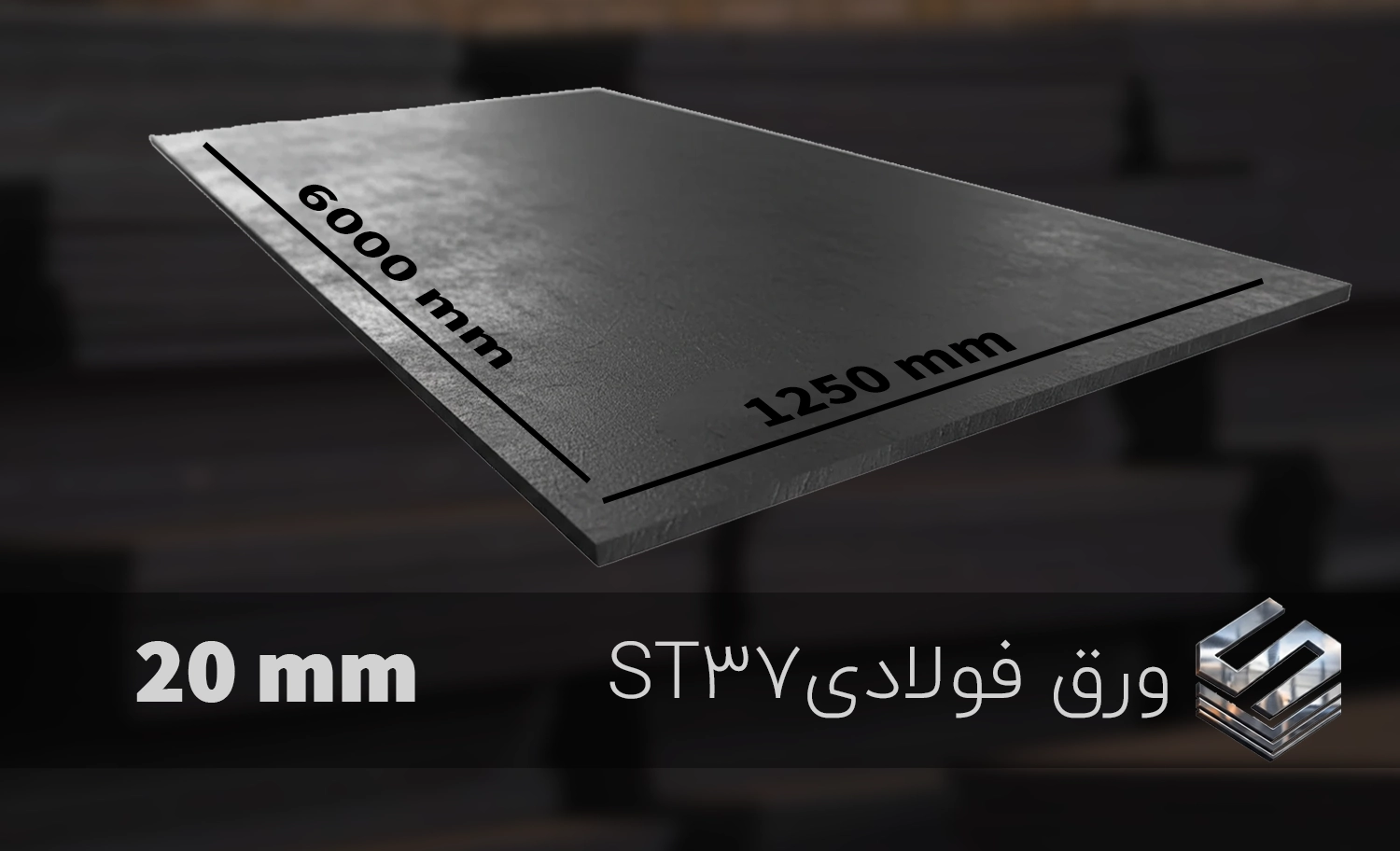
For example, a 6000 × 1250 mm steel plate with a thickness of 20 mm weighs approximately 1.18 tons, assuming a steel density of about 7.85 g/cm³.
Even small variations in thickness can significantly affect the actual plate weight and may lead to inconsistencies with engineering specifications. Industrial research confirms that maintaining strict thickness tolerance ensures consistent plate weight and uniform mechanical properties across the entire sheet.
By supplying high‑quality slabs with consistent dimensions, Mobarakeh Steel helps Parvan Steel maintain these tolerances and produce uniform steel metal sheets with reliable quality.
Properties of ST37 Steel Plates and the Importance of Raw Materials
ST37 steel is a low‑carbon structural steel widely used in construction and industrial applications. It is equivalent to S235JR steel in European standards and has a minimum yield strength of approximately 235 MPa.
Because ST37 plates are commonly used in the construction of steel structures, bridges, and storage tanks, their chemical composition and mechanical properties must strictly comply with international standards. Therefore, consistency in slab composition and rolling processes is essential.
Mobarakeh Steel produces certified slabs with full technical documentation (MTC), enabling Parvan Steel to manufacture ST37 plates that meet the requirements of DIN standards and industrial quality expectations.
The Relationship Between Stable Raw Material Supply and Rolling Mill Capacity
Steel plate rolling mills such as Parvan Steel require a continuous supply of slabs to operate at their designed production capacity.
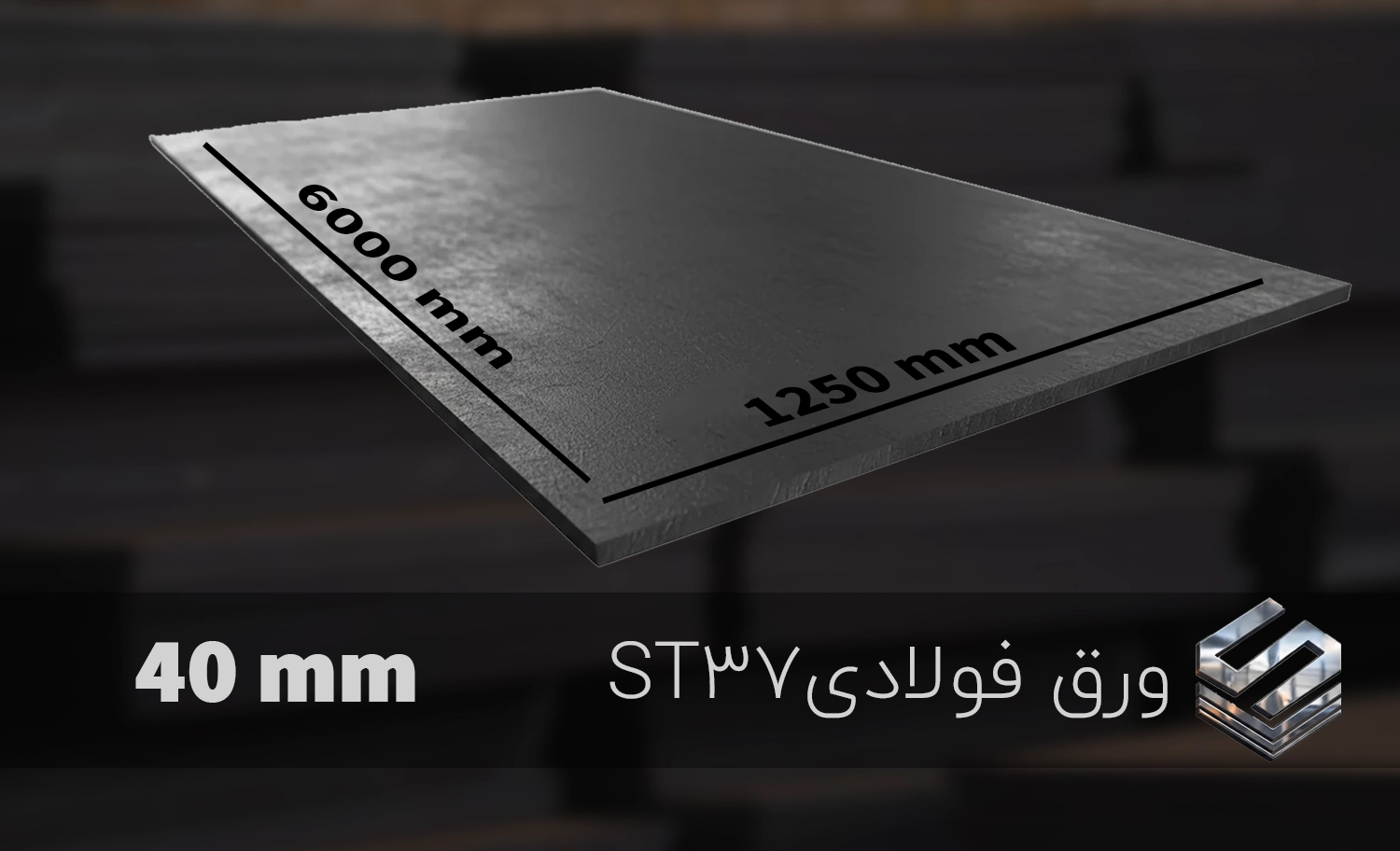
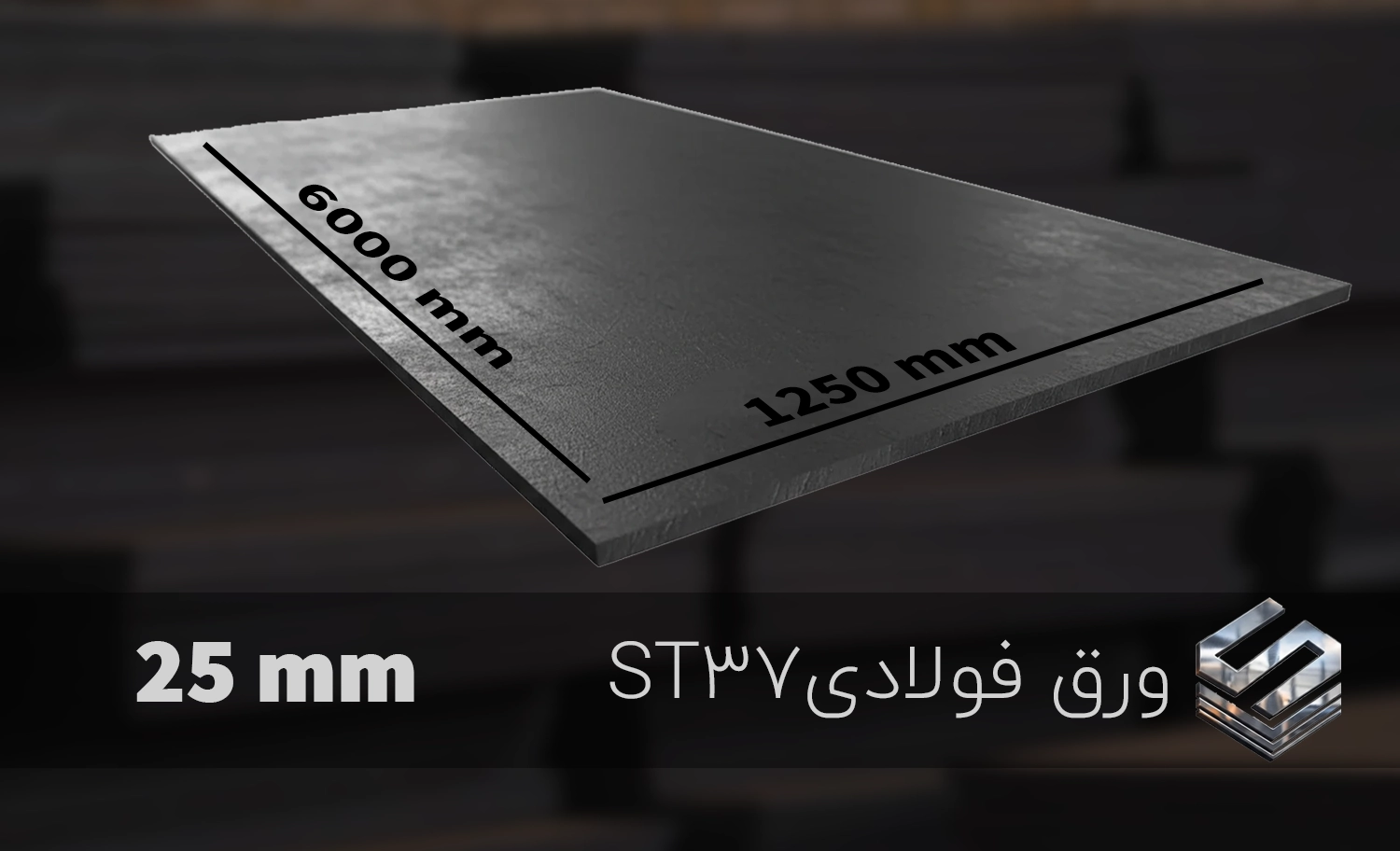
The first phase of Parvan Steel has an annual production capacity of approximately 150,000 tons of steel plates, with thicknesses ranging from 10 to 50 mm and standard dimensions of 1250 × 6000 mm and 1250 × 12000 mm.
Maintaining this production volume is only possible with a stable flow of raw materials. Any interruption in slab supply may result in frequent shutdowns of rolling lines and reduced operational efficiency.
Supply chain experts emphasize that timely raw material supply is essential for stable production. Therefore, steel manufacturers usually plan production schedules based on demand forecasts and incoming raw material inventory to avoid unnecessary downtime.
Strong partnerships with reliable suppliers such as Mobarakeh Steel, efficient slab transportation, and proper inventory management all play essential roles in maintaining production capacity. These factors also influence market stability and the hot rolled steel plate price in domestic and export markets.
The Role of Steel Plate Suppliers in Industrial and Construction Projects
Reliable steel plate suppliers play a crucial role in ensuring the success of industrial and construction projects. High‑quality steel plates with consistent thickness, accurate weight, and reliable mechanical properties are essential for structural safety and engineering accuracy.
Technical studies show that differences in production control and thickness uniformity directly affect the performance of steel plates in industrial structures. Steel plates obtained from certified suppliers usually offer better welding performance and structural consistency under design loads.
In sensitive industries such as bridge construction or pressure vessel manufacturing, only plates with verified chemical composition and mechanical properties are accepted.
A professional hot rolled steel plate manufacturer and steel plate exporter must provide full technical documentation, maintain proper storage conditions, and ensure minimal dimensional tolerance in the final product.
Conclusion
The cooperation between Parvan Steel Complex and Mobarakeh Steel Company represents a strategic advantage for Parvan Steel. As a leading Iranian steel manufacturer, Mobarakeh Steel supplies high‑quality slabs that enable stable and efficient production of hot rolled steel plates.
Thanks to this partnership, Parvan Steel can produce black steel plates and ST37 steel metal sheets with consistent mechanical and dimensional properties that meet industrial standards.
Ultimately, collaboration with reliable raw material suppliers such as Mobarakeh Steel strengthens the supply chain of the Iranian steel industry and enhances the position of companies like Parvan Steel as a competitive steel plate supplier, steel plate exporter, and hot rolled steel plate supplier Iran in both domestic and international markets.
Frequently Asked Questions (FAQ)
What role does Mobarakeh Steel play in the supply chain of Parvan Steel Complex?
Mobarakeh Steel acts as a major supplier of slabs and raw materials for Parvan Steel, ensuring a stable and reliable feedstock for its hot rolling lines.
What is a steel slab and why is its quality important?
A steel slab is a semi‑finished rectangular steel product used as the input material for hot rolling mills. Its chemical composition and dimensional consistency directly influence the quality of the final steel plate.
What are the characteristics of ST37 steel plates?
ST37 is a low‑carbon structural steel equivalent to S235JR, known for its good weldability and moderate strength, making it suitable for construction and industrial applications.
Why is thickness consistency important in hot rolled steel plates?
Uniform thickness ensures accurate weight, consistent mechanical properties, and reliable performance in structural and industrial applications.
Why is stable raw material supply essential for rolling mills?
Continuous slab supply allows rolling mills to operate without interruptions, maintain production capacity, and stabilize the hot rolled steel plate price in the market.