

The global landscape of industrial metals is constantly evolving, and keeping up with the Iranian steel industry news is critical for international buyers, traders, and investors. As of the first quarter of , Iran solidifies its position among the top steel producers globally. Driven by vast domestic iron ore reserves, affordable energy resources, and strategic investments in state-of-the-art metallurgical technologies, the nation’s steel sector is experiencing a significant transformation.
For B2B stakeholders, understanding these market dynamics is essential. The industry is currently pivoting from the mass production of semi-finished billets and blooms toward high-value, specialized flat products, particularly industrial steel plates. This shift is designed to meet the rigorous demands of the Middle East steel market and other rapidly industrializing regions. This comprehensive analysis delves into the latest Q1 2026 production capabilities, export dynamics, supply chain challenges, and the emergence of pivotal new players like the Parvan Toos Steel Complex in the heavy plate sector.
Current Production Capacity and Growth: A Focus on Steel Plate Mills
The steel production capacity in Iran has witnessed substantial growth over the past decade. Currently, national raw steel production hovers around million tons annually, with ambitious national targets aiming to push this figure toward million tons by the end of the decade. A defining trend in early is the strategic focus on enhancing the downstream capabilities of Iranian steel mills, specifically the production of carbon steel plates, alloy plates, and wide sheets used in heavy industry.
The Rise of High-Value Plate Production
Historically, international buyers sourced primarily long products or semi-finished slabs from Iran. Today, there is a pronounced shift toward flat products. Major legacy producers such as Mobarakeh Steel Company, Oxin Steel Company, and Gilan Steel Complex have long dominated the flat steel segment, providing wide plates for shipbuilding, oil and gas pipelines, and heavy machinery. However, growing domestic and regional demand has created a pressing need for specialized, agile, and modern plate manufacturers.
Spotlight on Parvan Toos Steel Complex (مجتمع فولاد پروان طوس)
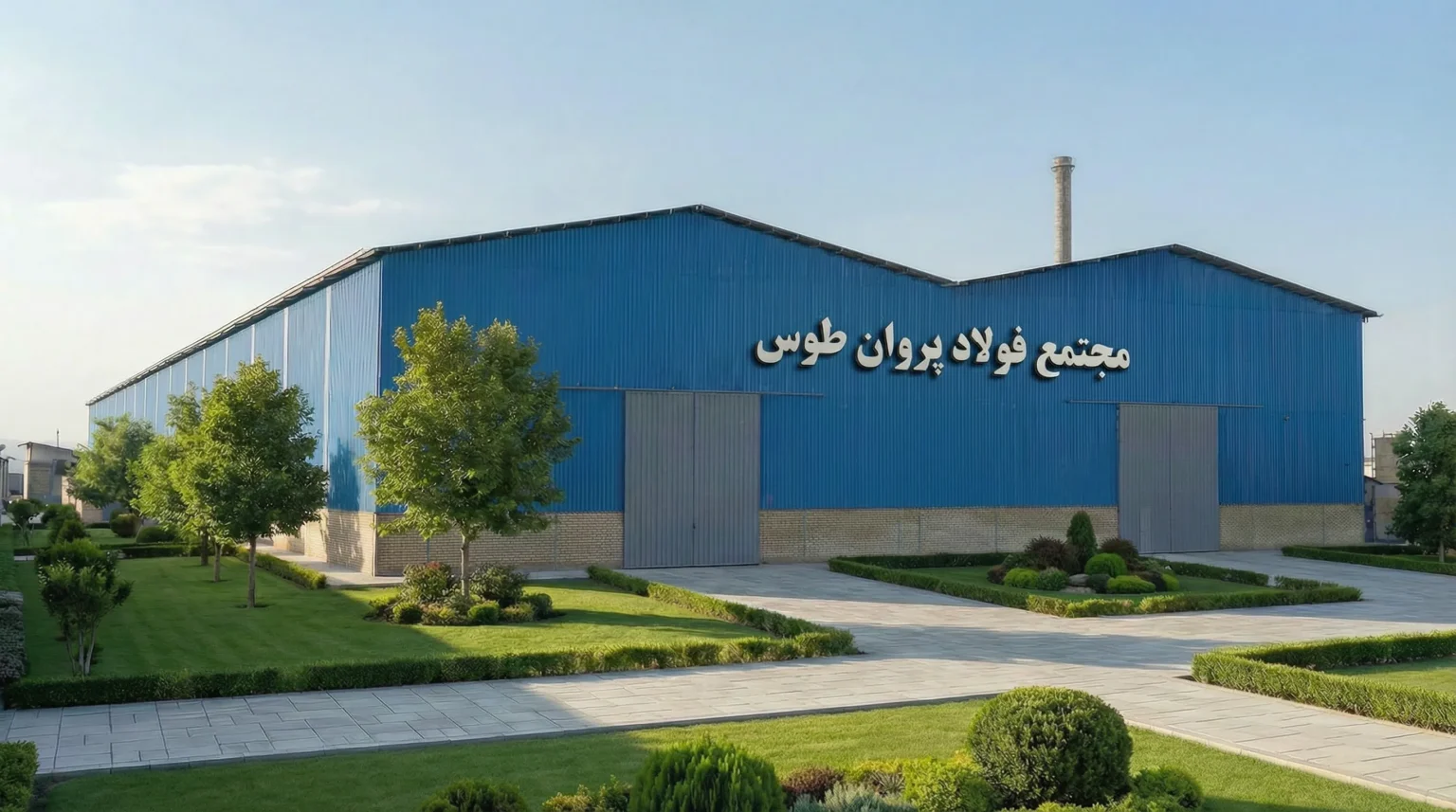
A prime example of this industrial growth is the recent operational launch of the Parvan Toos Steel Complex. Initiated on September , (1401/06/18 in the Jalali calendar), this massive facility spans square meters. Strategically located at kilometer 4545 of the Torbat Heydarieh to Gonabad transit road in the Mahvelat industrial zone, it officially commenced full-scale operations in October .
Parvan Toos represents the modern face of Iranian steel mills, designed with the dual purpose of fulfilling domestic industrial needs and aggressively targeting the export market.
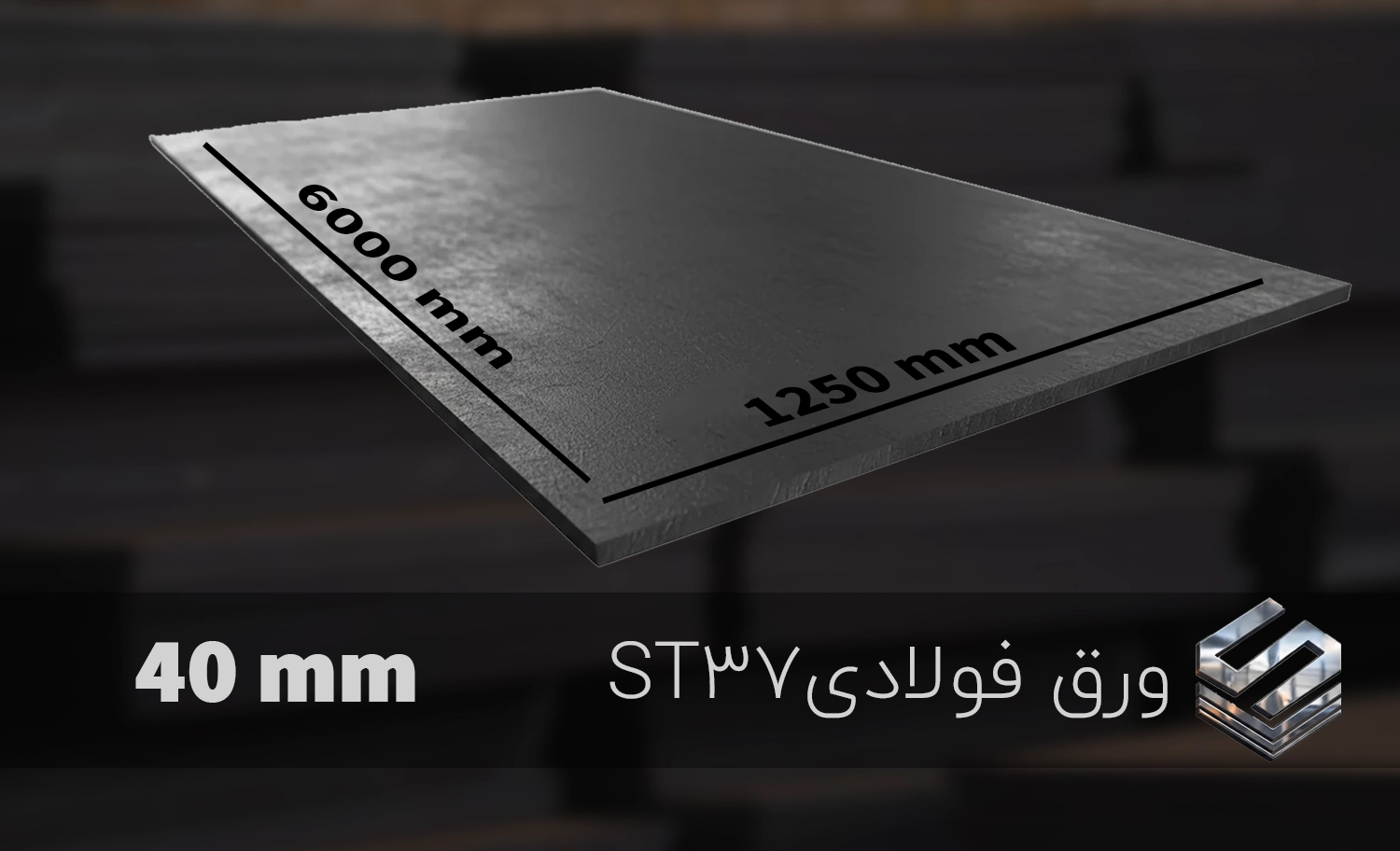
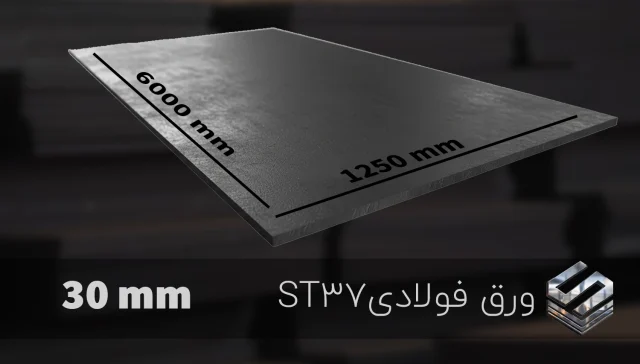
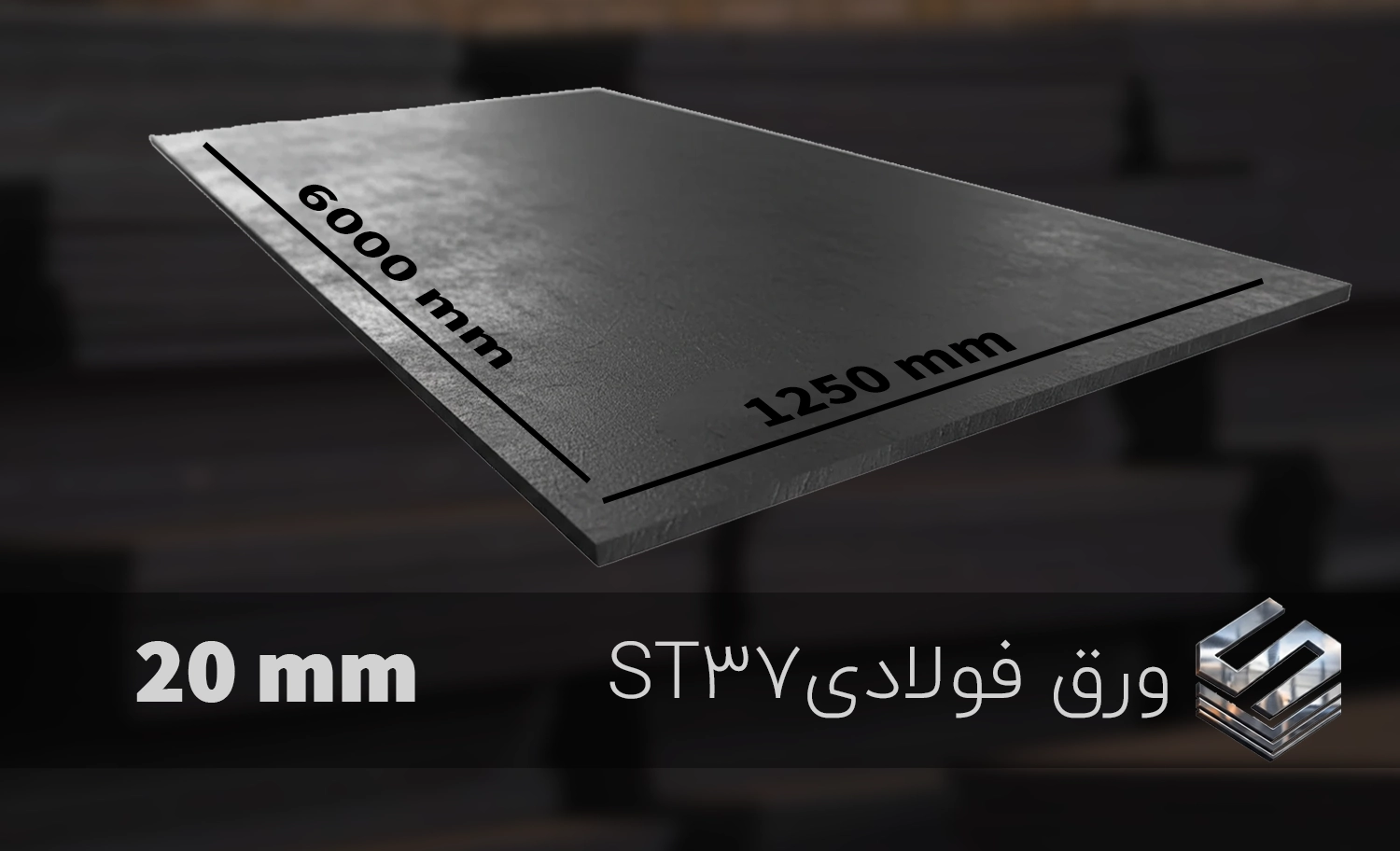
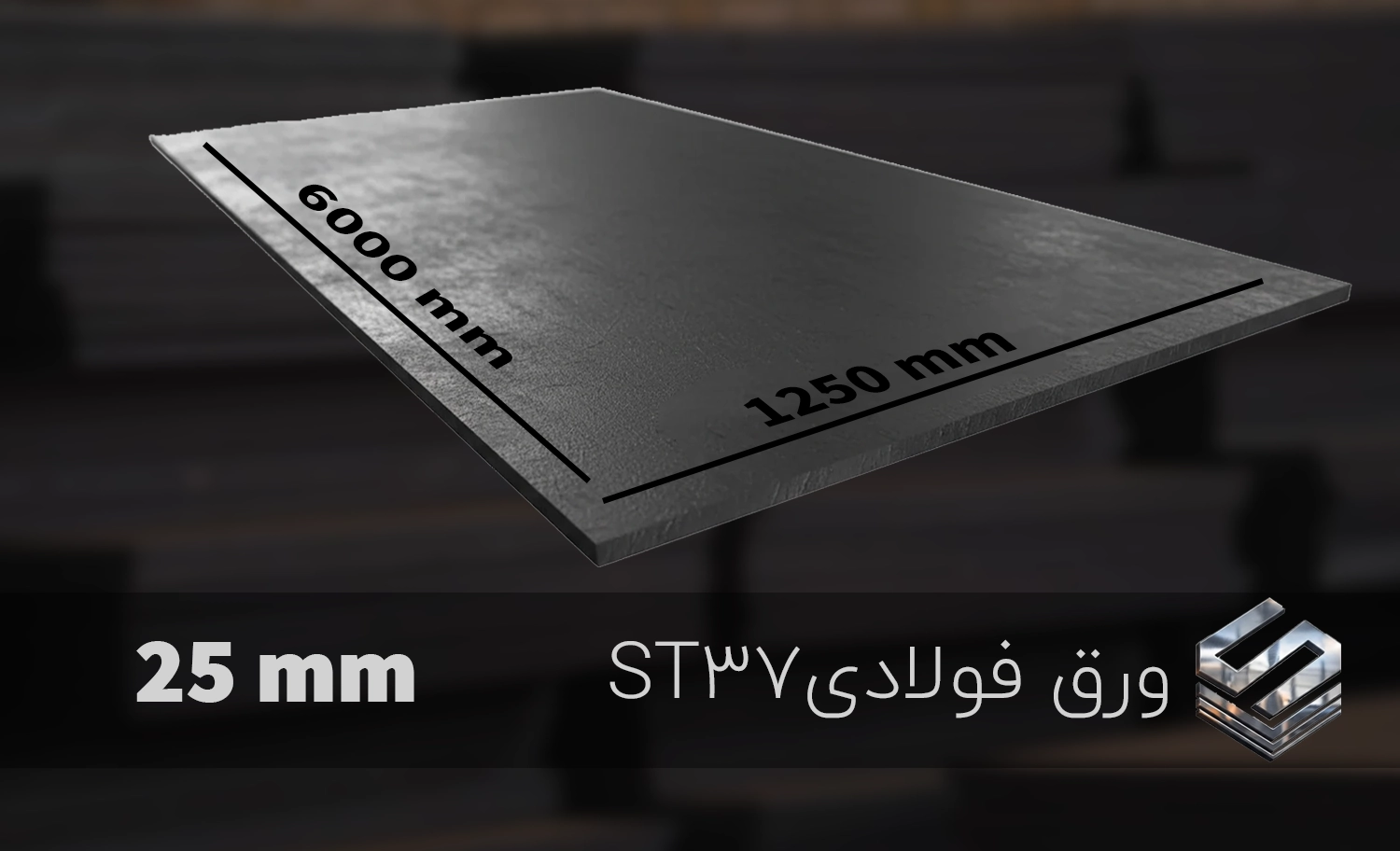
- Phase 1 Capabilities: Utilizing an advanced slab rolling process, the facility boasts an annual production capacity of 1 tons of carbon steel plate. These plates are manufactured in thicknesses ranging from to millimeters, with a standardized width of millimeters and a length of millimeters, delivered in sheet form.
- Phase 2 Expansion: The complex is already implementing its developmental blueprint to produce thinner gauges. Phase 2 will introduce plates with thicknesses between and millimeters, adding another tons of capacity tailored for diverse construction and light industrial applications.
- Socio-Economic Impact: Beyond production, Parvan Toos acts as a regional economic catalyst. By recruiting specialized local graduates, skilled engineers, and heavy machinery operators, the complex ensures operational security and fosters a highly specialized workforce.
Export Markets and Economic Dynamics
Monitoring Iran steel exports reveals a complex but highly lucrative matrix of global trade flows. Despite fluctuations in the global steel supply chain, Iranian steel remains highly competitive due to its Direct Reduced Iron (DRI) and Electric Arc Furnace (EAF) production routes, which yield exceptionally high-quality metallurgical properties.
Primary Export Destinations
In Q1 , the primary destinations for Iranian flat steel products include:
- The Middle East and GCC Countries: Rapid infrastructure development, particularly in Oman, Qatar, and the UAE, requires vast quantities of structural steel and heavy plates.
- Southeast Asia: Nations like Thailand, Indonesia, and Vietnam remain critical buyers of Iranian slabs and heavy plates to feed their domestic manufacturing sectors.
- Neighboring CIS and Transit Countries: Overland exports to neighboring nations continue to provide a steady revenue stream, bypassing maritime freight volatility.
Global Supply Chain and Freight Economics
The economics of exporting heavy steel plates rely heavily on freight stability. In early , fluctuations in maritime freight indices and regional shipping costs have prompted Iranian producers to optimize their logistics. The strategic location of new facilities, such as Parvan Toos near major transit arteries in Khorasan Razavi, allows for highly efficient overland transport to Eastern neighbors and central Asian markets, significantly reducing lead times and supply chain bottlenecks for international buyers.
Challenges and Opportunities: Energy and Green Steel
No analysis of Iranian steel industry news is complete without addressing the operational hurdles and technological transitions defining the sector.
Managing Energy Supply Cycles
The most prominent challenge facing steel production capacity in Iran is the seasonal fluctuation of energy supplies.
- Summer Electricity Deficits: Peak domestic cooling demands often lead to load-shedding protocols for heavy industries, including steel mills, temporarily capping EAF output.
- Winter Gas Restrictions: Conversely, winter months can see natural gas supplies diverted from DRI plants to residential heating networks.
To mitigate these challenges, forward-thinking Iranian steel mills are increasingly investing in captive power plants and optimized production schedules—stockpiling DRI during high-gas months and maximizing rolling schedules when energy is abundant.
The Opportunity in DRI and Green Steel
Iran is a global superpower in Direct Reduced Iron (DRI) production. As the global market rapidly pivots toward “Green Steel” to meet strict carbon emission targets, Iran’s reliance on natural-gas-based DRI (which produces significantly lower carbon emissions than traditional coal-based blast furnaces) positions the country as an attractive supplier. Transitioning these existing DRI facilities to utilize hydrogen blends in the future represents a massive opportunity for foreign investment and technological partnerships.
Future Outlook: What to Expect in and Beyond
As we move into the subsequent quarters of , international buyers and domestic stakeholders should anticipate several defining trends:
- Increased Focus on Quality Control: With new players like Parvan Toos entering the market, competition will drive stricter adherence to international metallurgical standards (ASTM, EN, DIN), ensuring buyers receive premium-grade carbon steel plates.
- Supply Chain Regionalization: Due to global macroeconomic shifts, Iranian producers will likely deepen their ties within the Middle East steel market, utilizing bilateral trade agreements to secure long-term offtake contracts.
- Capacity Expansions: Projects like Phase 2 of the Parvan Toos Steel Complex will come online, easing supply constraints for medium-thickness plates ( to mm) and providing buyers with a more diverse product portfolio from a single geographical hub.
Conclusion & Partner with Parvan Toos Steel Complex
The current landscape of the Iranian steel sector offers unparalleled opportunities for B2B buyers seeking high-quality, cost-competitive carbon steel plates. Staying updated with the latest Iranian steel industry news is your first step toward optimizing your supply chain.
Whether you are an international trader looking to source premium 20– mm carbon steel plates or an industrial firm seeking reliable long-term partnerships, the Parvan Toos Steel Complex is equipped to meet your exacting standards. With state-of-the-art rolling technology, an annual capacity of 150,000 tons, and a commitment to rigorous quality control, Parvan Toos is your trusted partner in the Middle East.
Ready to secure your steel supply for ?
Visit our official website at https://parvanco.ir/ to explore our product catalogs, request technical specifications, and connect directly with our expert sales team to discuss competitive export pricing and partnership opportunities. Subscribe to our newsletter for the latest market updates and production milestones!
Frequently Asked Questions (FAQs)
. What international standards do Iranian steel plate manufacturers follow?
Top Iranian steel mills, including the Parvan Toos Steel Complex, manufacture their products in strict accordance with recognized global standards such as ASTM (American Society for Testing and Materials), EN (European Norms), and DIN. This ensures optimal mechanical properties, weldability, and structural integrity for heavy industrial applications.
. What is the primary advantage of sourcing steel from the Middle East steel market, specifically Iran?
Iran benefits from immense domestic reserves of iron ore and natural gas. This allows for highly cost-effective Direct Reduced Iron (DRI) production. Consequently, international buyers benefit from highly competitive pricing on premium flat products and steel plates without compromising on metallurgical quality.
3. Can Parvan Toos Steel Complex handle customized export orders?
Yes. In its current Phase 1 operations, Parvan Toos specializes in carbon steel plates with thicknesses of 2020 to 40mm, widths of 1250 mm, and lengths of 6000 mm. Buyers looking to integrate these specific dimensions into their global steel supply chain can contact the Parvan Toos sales department directly to negotiate export volumes, logistics, and delivery schedules.