



Iran’s steel industry is considered one of the country’s key infrastructure sectors. Its supply chain ranges from iron ore mines and slab production centers to hot rolling mills. Before the Iranian Revolution, the country relied heavily on steel imports; however, with the development of domestic production and the emergence of major companies such as Khuzestan Steel and Mobarakeh Steel, Iran is now ranked among the top steel-producing countries in the world.
Within this supply chain, the stable supply of raw materials—including iron ore, pellets, sponge iron, scrap, and slabs—is essential for steel rolling mills, particularly for the production of steel plates. Any disruption in the supply of these materials can significantly impact the production of black steel plates and other downstream products. Khuzestan Steel Company, with its integrated facilities including pelletizing plants, direct reduction units, and steelmaking lines (slab and billet casting), plays a vital role in Iran’s steel value chain. With an annual crude steel production capacity of nearly 4 million tons, the company is recognized as one of the largest suppliers of steel billets and slabs in the country. The presence of such a major Iranian steel manufacturer ensures stability and continuity in the supply of raw materials required for steel plate production.
In addition to production volume, the quality of slabs and raw materials has a direct impact on the final quality of steel plates. High‑quality slabs that are free from surface defects and geometric imperfections are transformed into uniform plates during the hot rolling process. Key characteristics of a premium slab include the absence of cracks and cavities as well as a smooth, clean surface. These features allow the final steel metal sheets produced through hot rolling to achieve consistent thickness and controlled weight, which is crucial for industrial and construction applications.
Khuzestan Steel Company and Its Position in Iran’s Steel Industry
Khuzestan Steel Company (KSC), located in Ahvaz in southern Iran, is recognized as one of the pioneers of the country’s steel industry. Established in 1967 using the direct reduction and electric arc furnace method, the complex now consists of three main divisions: pelletizing plants, direct reduction units (Midrex and Zamzam technologies), and steelmaking facilities including melting, ladle refining, and continuous casting.
The company currently produces approximately 3.5 million tons of crude steel annually, with expansion projects underway to increase this capacity to around 4 million tons per year. Thanks to this integrated production structure, Khuzestan Steel is considered one of the largest suppliers of billets and slabs in Iran. In fact, it is the second-largest crude steel producer in the country after Mobarakeh Steel Company.
The company manufactures a wide range of steel products including billets, blooms, and slabs, all produced according to international standards such as ASTM, API 5L, EN, and GOST. Various carbon steel grades ranging from ST22 to ST52 are produced to meet industrial demand. Due to its advanced infrastructure and experienced workforce, Khuzestan Steel plays a key role as a steel plate supplier Iran by providing raw materials to downstream rolling mills across the country.
The Role of Khuzestan Steel as a Slab Supplier for Parvan Steel Complex
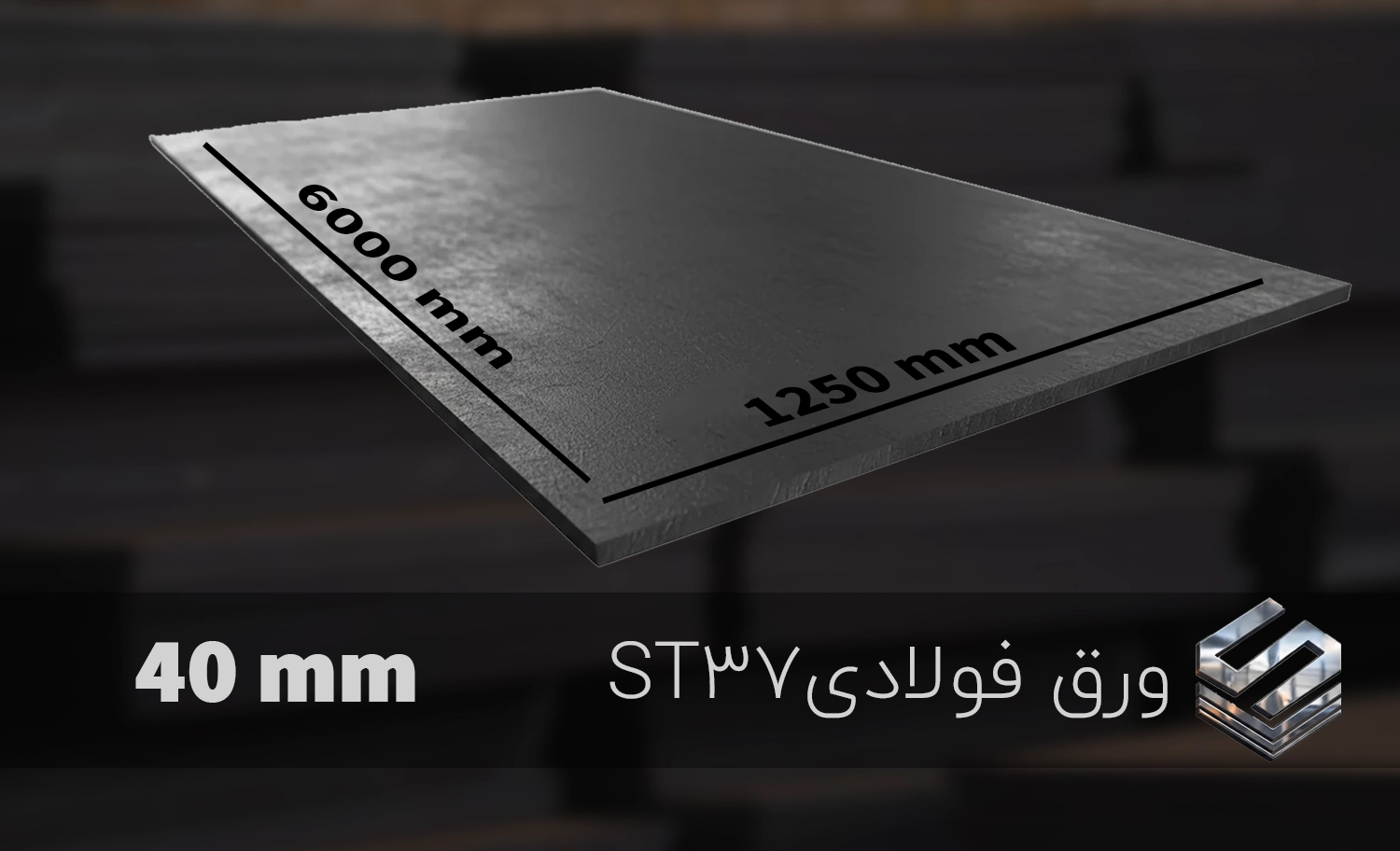
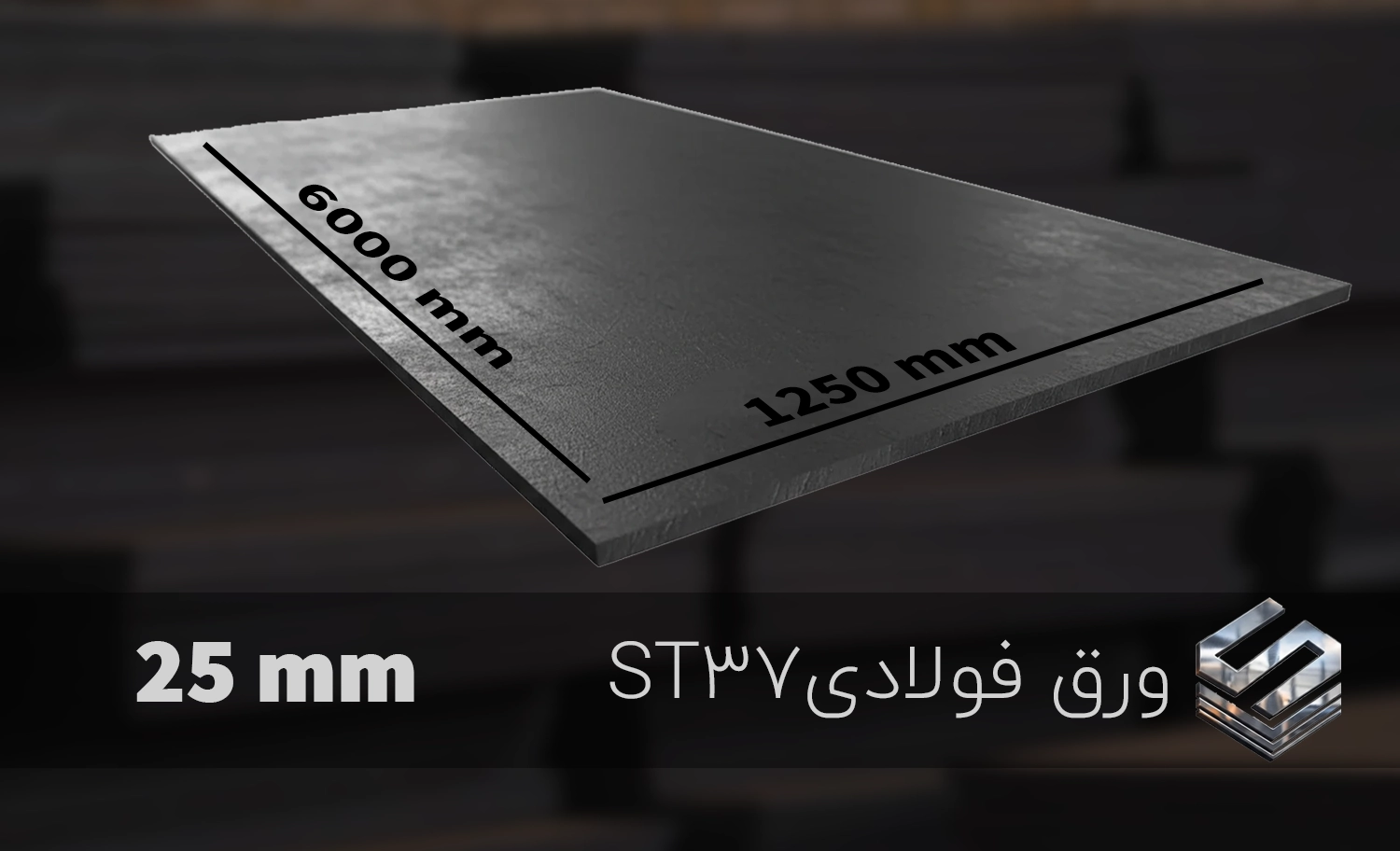
Parvan Steel Complex, located in Razavi Khorasan Province, is one of the newer hot rolling facilities in Iran focused on producing black steel plates and structural carbon steel sheets, particularly the ST37 grade. Producing such plates requires high-quality slabs that are processed through continuous casting lines before entering hot rolling mills.
In this context, Khuzestan Steel acts as a major slab supplier within the supply chain of Parvan Steel. With an annual production capacity of approximately 3.5 million tons of billets and slabs, Khuzestan Steel is widely recognized as one of the largest domestic suppliers of semi-finished steel products.
Parvan Steel utilizes these slabs as feedstock in its hot rolling operations to manufacture hot rolled steel plates and structural steel sheets. The technical specifications of slabs produced by Khuzestan Steel—typically with thicknesses between 180 and 300 mm, widths from 700 to 2000 mm, and lengths ranging from 4000 to 12000 mm—make them highly suitable for the production of standardized steel plates.
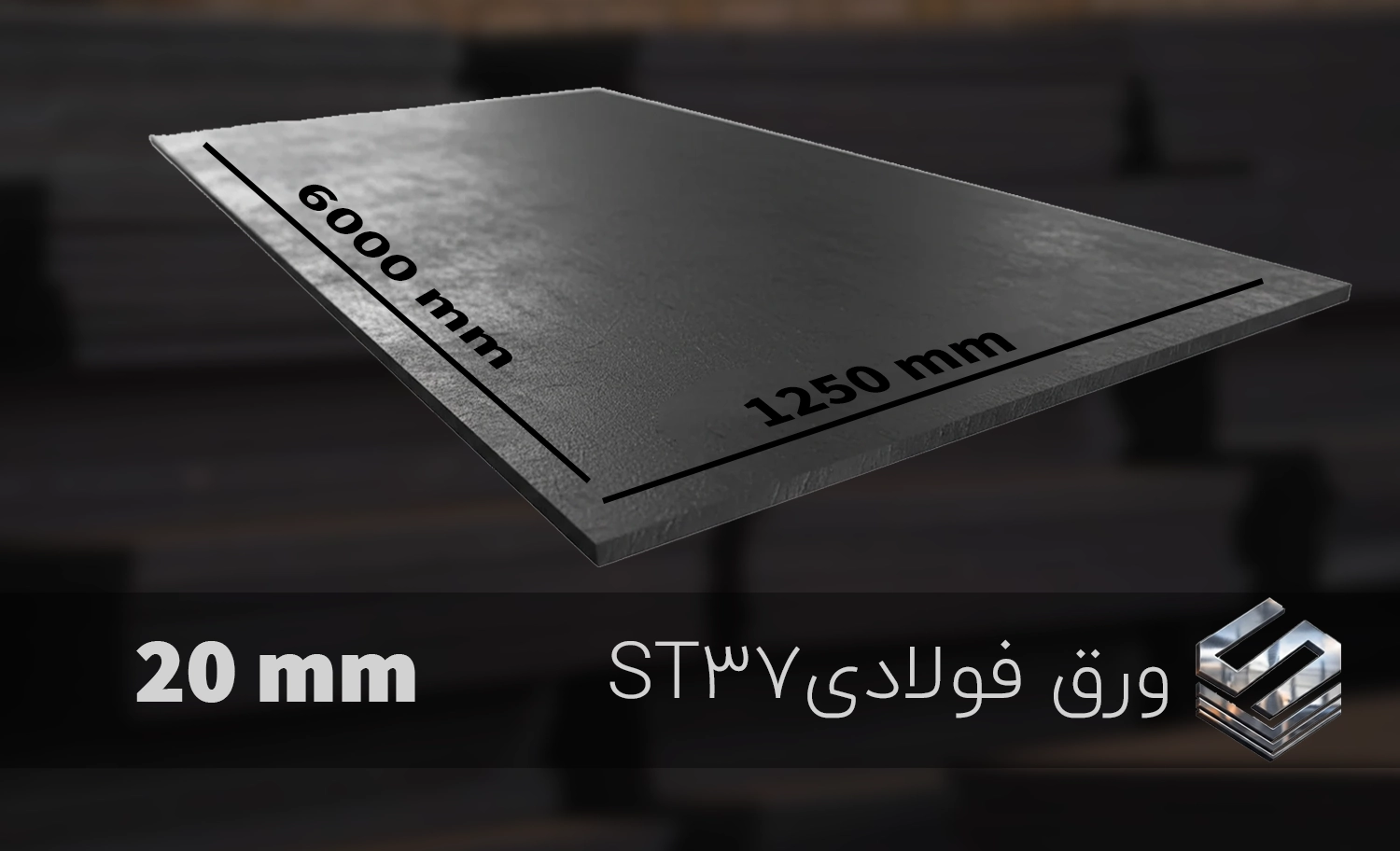
Using these slabs, rolling mills such as Parvan can manufacture steel sheets with widths around 1250 mm and various thicknesses, including commonly used plates like 20 mm black steel sheets. Consequently, Khuzestan Steel plays an essential role as a steel plate supplier and raw material provider that supports the continuous operation of Parvan Steel’s hot rolling lines.
Impact of Khuzestan Steel’s Raw Material Quality on ST37 Plate Production at Parvan Steel
The quality of slabs supplied by Khuzestan Steel has a direct influence on the final quality of steel plates produced at Parvan Steel Complex. Any defect in slabs—such as cracks, cavities, or uneven surfaces—can lead to imperfections during the hot rolling process and ultimately affect the quality of the finished plate.
Khuzestan Steel follows strict production standards to ensure its slabs are free from major surface defects. As a result, the plates produced at Parvan Steel maintain uniform thickness and high surface quality. Moreover, the precise chemical composition of Khuzestan Steel slabs—including controlled levels of carbon, manganese, and other elements—ensures that the final hot rolled steel plates meet the mechanical requirements of the ST37 grade.
Another important factor influenced by slab quality is thickness consistency. Parvan Steel reports that its black steel plates are produced with controlled weight tolerance and uniform thickness. This level of consistency allows buyers to accurately calculate the weight of plates used in industrial and construction projects.
For example, when producing 20 mm thick black steel sheets, precise thickness control allows contractors to accurately estimate material requirements and reduce waste. Therefore, the high-quality slabs supplied by Khuzestan Steel significantly contribute to the reliability and performance of ST37 steel plates manufactured at Parvan Steel.
The Relationship Between Stable Raw Material Supply and Steel Rolling Capacity
A stable supply of raw materials—particularly slabs—is essential for maintaining the production capacity of hot rolling mills. When a steel rolling plant such as Parvan Steel receives consistent slab deliveries from major suppliers like Khuzestan Steel, it can operate its production lines efficiently and according to planned schedules.
On the other hand, shortages or disruptions in slab supply can lead to rolling line shutdowns and reduced steel plate production capacity. By maintaining an integrated production chain from pelletizing to continuous casting, Khuzestan Steel produces nearly four million tons of semi-finished steel annually, ensuring a stable supply of raw materials to downstream rolling facilities.
Furthermore, the geographical location and logistics infrastructure of suppliers such as Khuzestan Steel help reduce transportation costs and delivery times. Access to rail networks and major transportation routes facilitates the efficient transfer of slabs to rolling mills located in other regions of Iran, including Khorasan Province.
This logistical efficiency supports stable production of steel plates and allows manufacturers to meet both domestic demand and export opportunities. As a result, companies operating as hot rolled steel plate supplier Iran can maintain steady market supply and improve production efficiency.
The Role of Steel Plate Suppliers in Ensuring Quality for Industrial and Construction Projects
Reliable steel plate suppliers play a crucial role in the success of industrial and construction projects. Engineers and contractors rely on steel plates with precise thickness, consistent surface quality, accurate weight, and mechanical properties that comply with international standards.
Partnering with manufacturers that use high-quality raw materials—such as slabs produced by Khuzestan Steel—provides confidence to project developers and industrial buyers. For example, Parvan Steel supplies standard ST37 plates such as 20 mm black steel sheets with controlled weight per sheet, allowing customers to accurately calculate material requirements.
The correct weight of steel plates is essential for cost estimation and structural design calculations. Plate weight is determined by multiplying length, width, and thickness by the density of steel, meaning any deviation in thickness can affect structural calculations.
Therefore, a professional hot rolled steel plate manufacturer must supply plates with strict dimensional tolerance and consistent weight. Parvan Steel claims that its plates are produced with controlled weight tolerance, reflecting the high quality of the slabs used in production. As a result, the collaboration between Khuzestan Steel and Parvan Steel ensures reliable supply and superior product quality for construction and heavy industrial projects.
Conclusion
A comprehensive view of Iran’s steel industry highlights Khuzestan Steel Company as one of the most influential producers of billets and slabs in the country. Its high production capacity and consistent product quality make it a crucial supplier for downstream rolling mills such as Parvan Steel Complex.
By supplying high-quality slabs that are smooth and free from major defects, Khuzestan Steel ensures stable production and superior quality in hot rolled steel plate manufacturing. In the case of Parvan Steel, the use of Khuzestan slabs enables the production of ST37 black steel plates with consistent thickness and weight.
This integrated supply chain not only improves the final product quality but also strengthens Parvan Steel’s reputation as a reliable steel plate exporter and steel plate supplier Iran serving both domestic and international markets. Ultimately, the strategic partnership between these companies contributes to stable production, improved efficiency, and competitive positioning in the global steel industry, while also influencing factors such as hot rolled steel plate price through consistent supply and high production capacity.
Frequently Asked Questions (FAQ)
1. What role does Khuzestan Steel play in Iran’s steel supply chain?
Khuzestan Steel is one of the largest Iranian steel manufacturer companies producing billets and slabs in Iran. Through its pelletizing, direct reduction, and steelmaking facilities, it supplies raw materials to many rolling mills including Parvan Steel.
2. Why is slab quality important for steel plate production?
High-quality slabs must be free from cracks, cavities, and surface defects. Uniform chemical composition and consistent thickness allow slabs to be rolled into high-quality steel metal sheets with smooth surfaces and accurate dimensions.
3. How is the weight of black steel plates calculated and why is it important?
The weight of a steel plate is calculated by multiplying its length, width, and thickness by the density of steel. Accurate weight calculations help engineers estimate material usage and project costs more effectively.
4. What is ST37 steel plate and where is it used?
ST37 is a common carbon steel grade equivalent to S235 in European standards. It is widely used in construction, structural steel fabrication, and general industrial applications due to its good weldability and moderate strength.
5. How does the cooperation between Khuzestan Steel and Parvan Steel support production stability?
By supplying high-quality slabs, Khuzestan Steel enables Parvan Steel to maintain consistent hot rolling operations. This strategic supply chain relationship improves productivity, ensures stable hot rolled steel plate price, and strengthens the reliability of the hot rolled steel plate supplier Iran market.