



Comparison of ST37 Steel Plates Produced by Parvan Toos Steel Complex with Other Domestic Manufacturers in Terms of Quality and Technical Specifications
The development of industrial and civil infrastructure in any country directly depends on the sustainable and high-quality supply of steel sections and plates. In Iran’s steel industry, the production of flat sections and structural steel plates has always been one of the main pillars of development and progress. Meanwhile, Parvan Toos Steel Complex has emerged as one of the macro and strategic projects in the east of the country, aiming to supply the vital needs of various industries. With an annual production capacity of 150,000 tons, this complex is set to play a significant role in supplying the ST37 steel plates required for oil and gas projects, steel structures, strategic tank construction, and industrial machinery. In this comprehensive and analytical article, we intend to compare ST37 steel plates produced in this complex with other domestic manufacturers and examine the outstanding position of this factory’s products in terms of technical specifications, production process quality, and dimensional advantages (especially 1250×6000 and 1250×12000 plates).
Introduction to ST37 Steel Plate and the Importance of Choosing a Reliable Manufacturer
ST37 steel, which is often known by its equivalent S235JR in international standards (such as DIN EN 10025), is one of the most widely used low-carbon structural steels. Due to its suitable yield strength (a minimum of 235 MPa for lower thicknesses), excellent formability, and outstanding weldability, this steel grade is used in a wide range of civil and industrial applications.
The importance of choosing a reliable manufacturer for supplying this product is undeniable. The quality of the steel plate directly affects the safety, lifespan, and maintenance costs of the final structures. The presence of non-metallic inclusions, uneven thickness, or poor mechanical properties can lead to brittle fractures, cracking during welding, and stress concentration in sensitive structures (such as pressure vessels or bridges). Therefore, being aware of the differences in steel plates produced in different factories and selecting a product manufactured under strict quality control and with modern technology is a necessity for design engineers and contractors.
compare ST37 Introduction to the Technical Specifications of Parvan Steel’s Products
By utilizing advanced hot-rolled slab technology, Parvan Toos Steel Complex has been able to offer products with highly precise technical specifications in accordance with the strictest global standards. The technical specifications of these products are as follows:
- Production Process Type: Use of Hot Rolled Slab technology. This method creates a homogeneous and fine-grained microscopic structure in the steel, resulting in a significant improvement in mechanical properties.
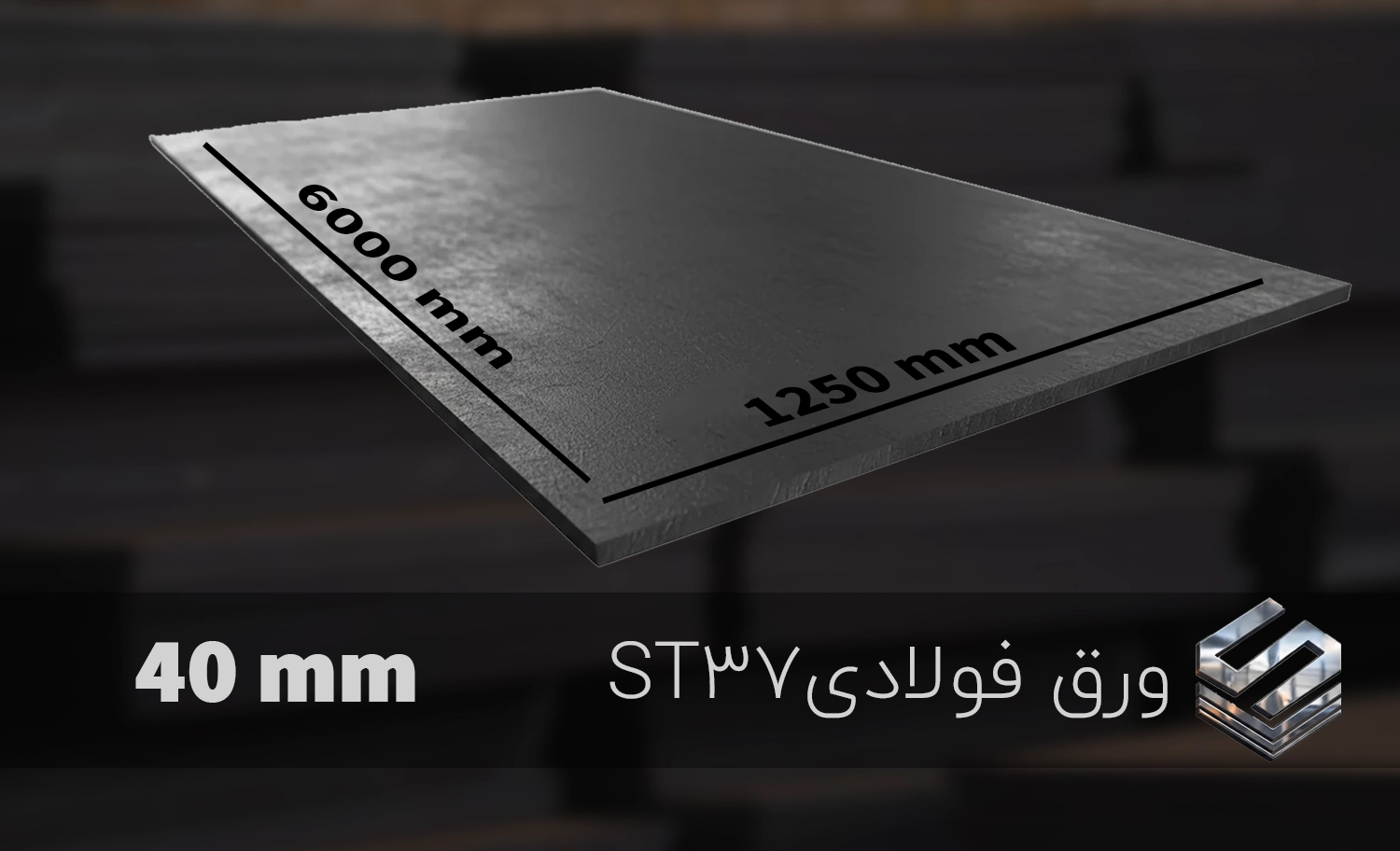
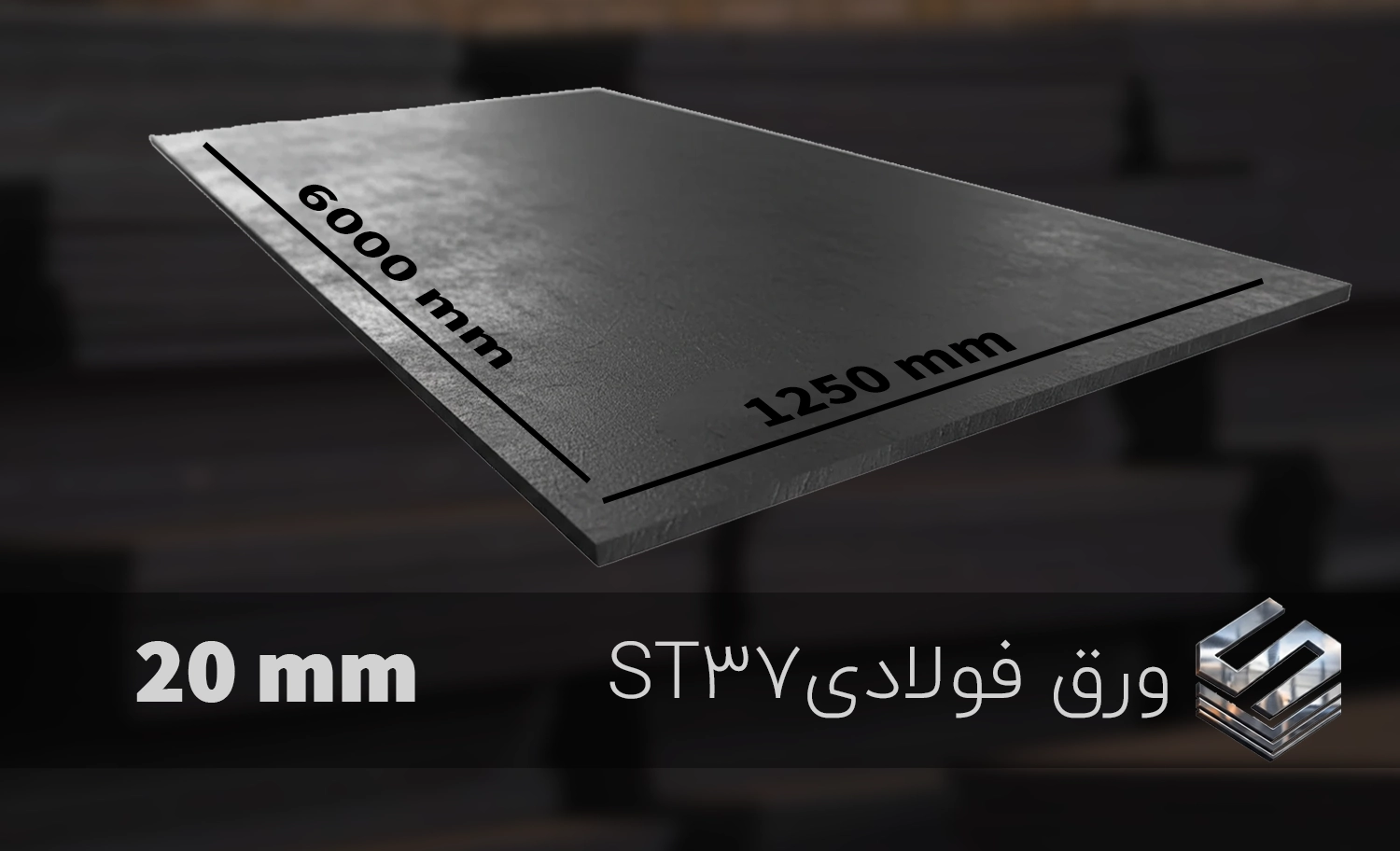
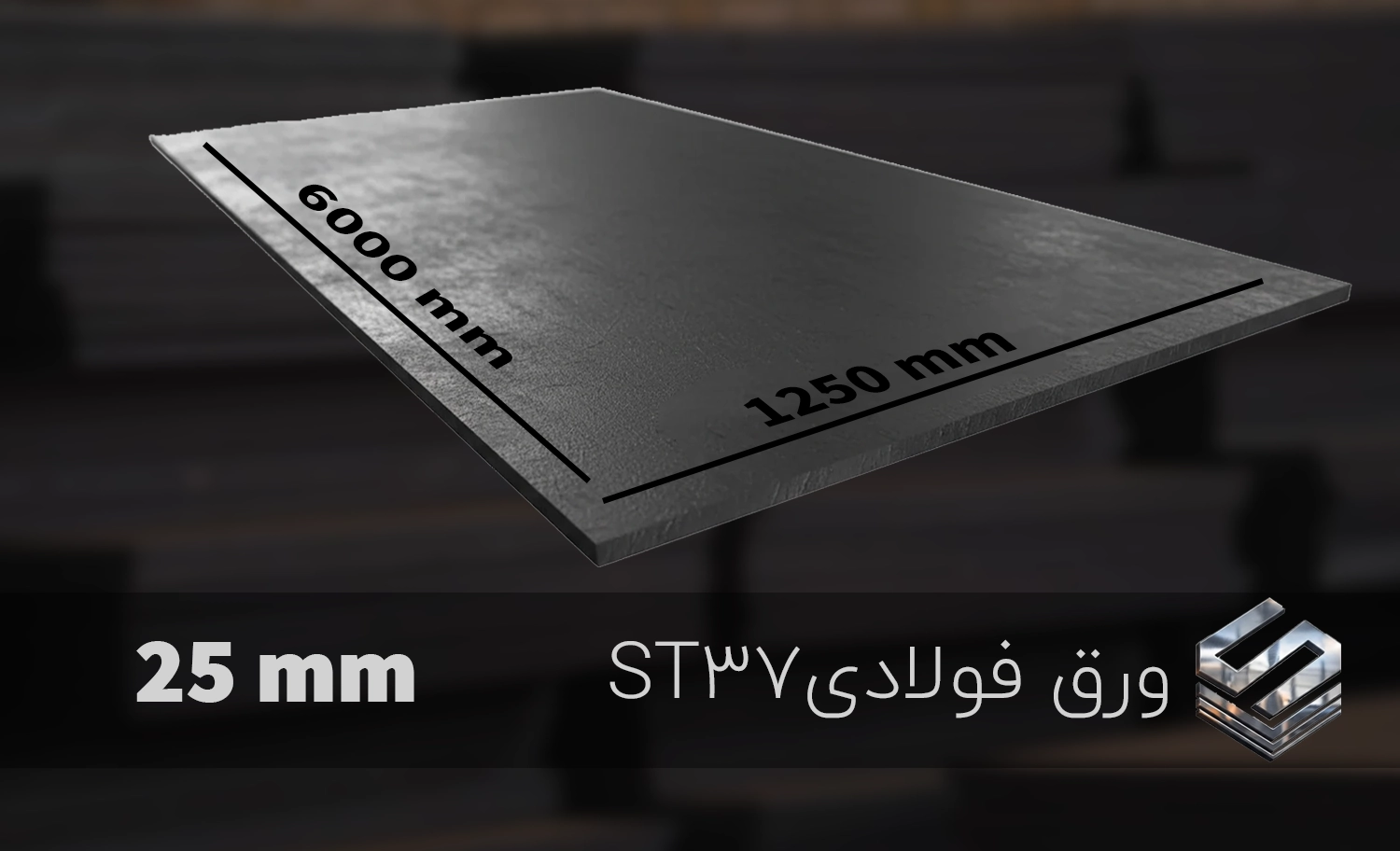
- Thickness Range: This complex produces steel plates in a thickness range of 101010 to 505050 mm. However, the special focus and main capability of this complex lie in producing thicker sections, including 20, 30, 35, and 40 mm thicknesses, which address the urgent needs of heavy industries.
- Standard Dimensions: Production in a fixed width of 1250 mm and strategic lengths of 6000 mm (1250×6000 plate) and 12000 mm (1250×12000 plate).
- Dimensional Tolerances: Thanks to modern calibration equipment and rollers, the thickness and width tolerances of the plates are kept to a minimum and are fully compliant with the DIN EN 10029 standard.
- Surface Quality: Precise control of rolling temperature and the use of descaling systems ensure that the surface of the produced plates is free of common defects such as deep oxide scales, surface cracks, or rolled-in impurities.
- Quality Control Tests: Continuous execution of tensile, bending, and impact tests, as well as non-destructive testing (such as ultrasonic testing for high thicknesses to ensure the absence of lamination) in the complex’s equipped laboratories.
compare ST37 of Parvan’s Steel Plates with Other Domestic Manufacturers
To better understand the position of Parvan Toos Steel Complex, its products must be compare ST37 with other domestic manufacturers based on engineering parameters:
1. Chemical Composition and Alloy Purity
Many domestic manufacturers face fluctuations in chemical composition due to the use of low-quality scrap or a lack of precise control in the furnace. Parvan Steel’s ST37 plates, due to the use of high-quality slabs and precise control of alloying elements (maximum reduction of sulfur and phosphorus to below 0.04%), possess a more integrated structure and higher purity, which reduces the risk of brittleness and failure at low temperatures.
2. Thickness Uniformity and Dimensional Accuracy
A common problem in plates produced by some domestic factories is the “crowning” phenomenon or difference in thickness at the edges compared to the center of the plate. Advanced rolling rollers at Parvan Steel, equipped with Automatic Gauge Control (AGC) systems, guarantee unmatched uniformity across the length and width of the plate. This dimensional accuracy is highly cost-effective in machining processes and the manufacturing of industrial parts.
3. Surface Quality and Flatness
Hot-rolled steel plates produced in some more traditional units often require leveling operations and heavy shot-blasting prior to use. However, Parvan Toos products, utilizing standard cooling beds and powerful leveller machines, have a very high degree of flatness, and their surface is fully ready for painting and coating operations in the oil and gas industries.
4. Mechanical Properties (Yield, Tensile, Formability)
Hot-rolled slab technology, combined with precise control of the Finishing Temperature, leads to a normalized ferrite-pearlite grain structure in Parvan steel plates. This ensures that the yield strength and ultimate tensile strength (UTS) fall exactly within the standard ST37 range, while simultaneously preserving the plate’s flexibility and formability for secondary cold rolling, bending, and forming operations.
5. Weldability Properties compare ST37
A low Carbon Equivalent Value (CEV) in Parvan’s produced plates guarantees their excellent weldability. While in thick sections (such as 30 or 40 mm), the products of other competitors sometimes require costly pre-heating before welding, Parvan’s plates minimize the risk of cold cracking in the Heat-Affected Zone (HAZ) due to their optimized chemical composition.
6. Thickness Variety and Supply Capacity
Parvan Steel’s strategic focus on high thicknesses (20 to 50 mm) is a major competitive advantage. Many domestic manufacturers have weaknesses in the sustainable supply of high-quality thick plates. The production capacity of 150,000 tons per year turns Parvan Toos into a reliable supply source for national megaprojects.
7. Geographical and Logistics Advantage
The location of the complex in the Mahvelat Industrial Zone (Razavi Khorasan Province) is a unique logistical advantage. While major steel factories are concentrated in the center and southwest of the country, Parvan Steel can significantly reduce transportation costs for projects in the east and northeast of the country and act as a powerful base for exports to eastern neighboring countries (such as Afghanistan and Central Asian countries).
Advantages of Using Steel Plates with 1250×6000 and 1250×12000 Dimensions in Civil Projects
One of the most prominent advantages of Parvan Steel Complex’s productions is the focus on manufacturing plates with standard and strategic dimensions. The production of 1250×6000 and 1250×12000 plates has profound and direct impacts on improving construction quality and reducing costs in large civil projects, which will be analytically reviewed below:
Importance of compare ST37 Plates and These Dimensions in Reducing Plate Scrap
In the construction of steel structures, fluid storage tanks, and plate girders, the dimensions of the initial plate determine the amount of scrap. A width of 1250 mm is a highly engineered dimension that is highly compatible with cutting requirements. Furthermore, lengths of 6 and 12 meters allow designers to implement nesting patterns with maximum efficiency, reducing plate scrap to an absolute minimum (under 5%) compared to using unconventional dimensions.
Increasing the Speed of Structure Execution
Continuous and long dimensions, especially the 12-meter length, significantly increase the speed of the construction process. In steel frame construction workshops, moving, adjusting, and tack-welding smaller parts is very time-consuming. Using the long plates produced by Parvan Steel, the assembly process of parts, beams, and columns is done much faster, reducing project downtime.
Improving Strength and Reducing the Need for Splices
The longer the initial plate length, the less need there is for transverse connections and butt welds. In dynamic structures under fatigue loading (such as bridges and gantry cranes), weld lines are considered stress concentration points. The use of Parvan Steel Complex’s 1250×12000 plates, by reducing the number of welded joints, increases the homogeneity and integrity of the structure and noticeably enhances the overall strength of the system.
compare ST37 Plates and Economic Justification Against Rewelding and Cutting
Welding operations involve numerous costs, including specialized labor, consumables (electrodes and welding wire), electricity, and most importantly, the costs of inspection and Non-Destructive Testing (NDT) such as radiography and ultrasonics. Supplying long and wide plates eliminates the need for additional welding, creating a very strong economic justification for contractors while mitigating the risk of welding defects.
Direct Relationship of These Advantages with Parvan Steel Complex’s Production Capacity and Rolling Quality
Producing a plate with a length of 12 meters and high thicknesses (e.g., 40 mm) requires extremely powerful rolling equipment, long transfer tables, and advanced cooling systems so the plate does not suffer from longitudinal camber. Benefiting from modern technology and high production capacity, Parvan Steel Complex can supply these specific dimensions to the market with the highest degree of surface quality and precise dimensional tolerance; an advantage rarely found in many domestic factories with older equipment.
Final Summary and Analytical Conclusion on the Position of Parvan Steel in Iran’s ST37 Plate Market
By compare ST37 plates and the expert reviews conducted, it can be firmly concluded that the operation of Parvan Toos Steel Complex in Mehr 1404 (Autumn 2025) will be a turning point in the country’s flat steel section production industry. Through the smart selection of machinery, focus on hot-rolled steel plate technology via slabs, and specialized production of high-thickness plates, this complex will fill the existing gap in the sustainable supply of these products in the country.
In comparing the ST37 plates of this complex with other competitors, its superiority in surface quality, dimensional accuracy, weldability properties, and chemical composition control is clearly evident. In addition, providing practical and strategic dimensions of 1250×6000 and 1250×12000 plates is not only recognized as a prominent competitive advantage for Parvan Steel but also creates unparalleled added value for contractors of civil, oil and gas, and steel structure projects, resulting in reduced costs, increased construction speed, and enhanced structural safety.
Ultimately, the exceptional geographical location of this factory in Mahvelat minimizes logistics costs for the eastern region of Iran and adjacent export markets. Undoubtedly, with the start of production at this 150,000-ton capacity, the ST37 plates produced by Parvan Toos Steel Complex will become one of the most reliable and popular choices for engineers and industrialists across the country, elevating the standards of steel plate quality in the Iranian market.